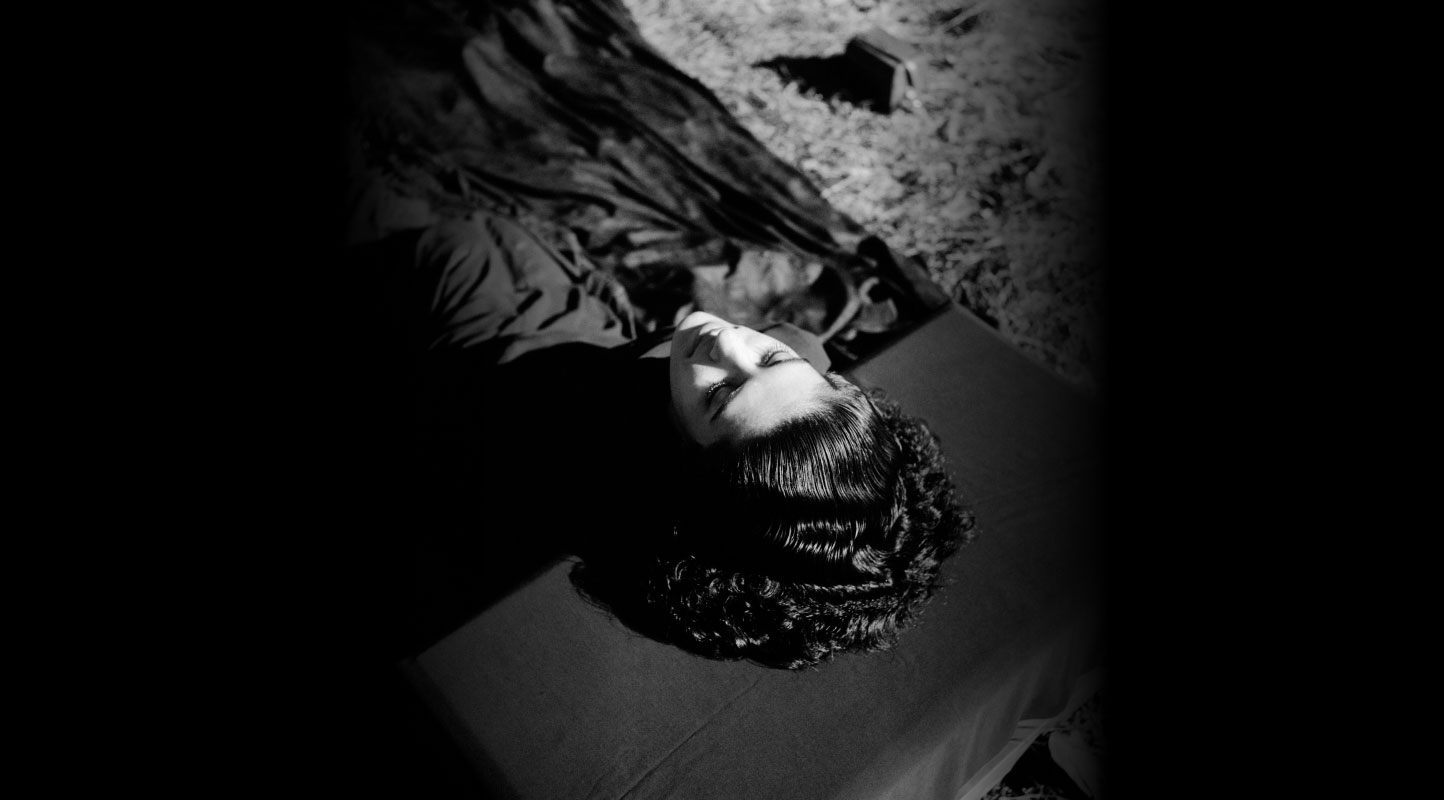


Where Walls Remember: Mritunjay Kumar’s House of Blue
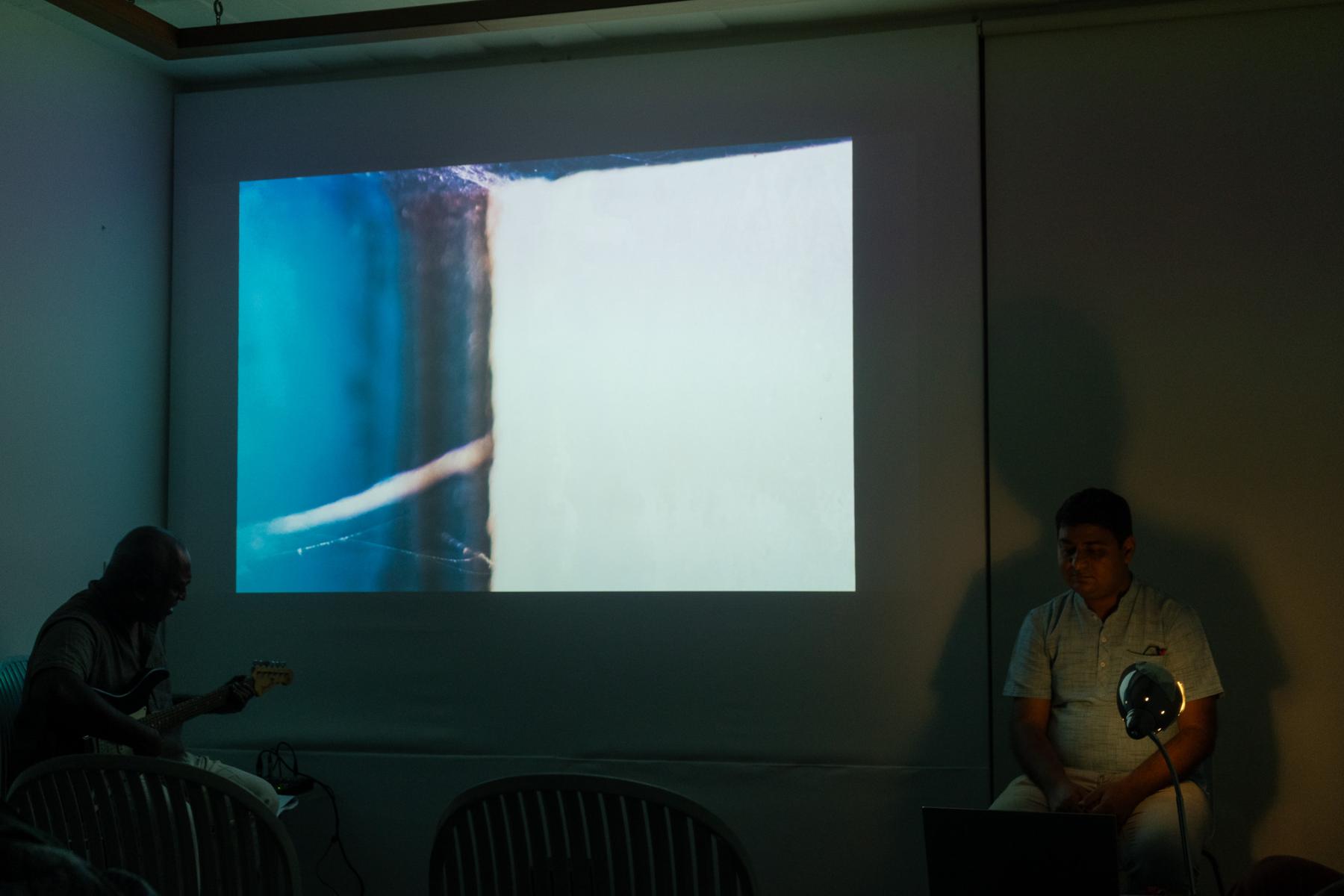
In the days following Diwali, Delhi and other metropolitan cities witness the return of migrants from their homes to their deras (temporary settlements/housing). For them, these metropolitan cities have not been able to become home but remain a temporary residence. It is the deeply personal yet ubiquitous nature of emotions and contestations associated with ‘home’ that Mritunjay Kumar (Narration and Photography) and his team—including Anish Victor (Music and Sound Design), Lakshmi P. (Projection) and Priti Bakalkar (Production Manager)—brought out in the performance House of Blue at the Sher-Gil Sundaram Arts Foundation (SSAF) Lab in New Delhi on 1 November 2025. Originally commissioned as part of Serendipity Arts Festival 2024, the performance centred on government quarters allotted to employees of the Bokaro Steel Plant; Kumar’s family lived in these quarters till his father’s retirement. Over the years, the family resided in three apartments: similar blue distemper, architectural structure and windows marking a daunting commonality between them.
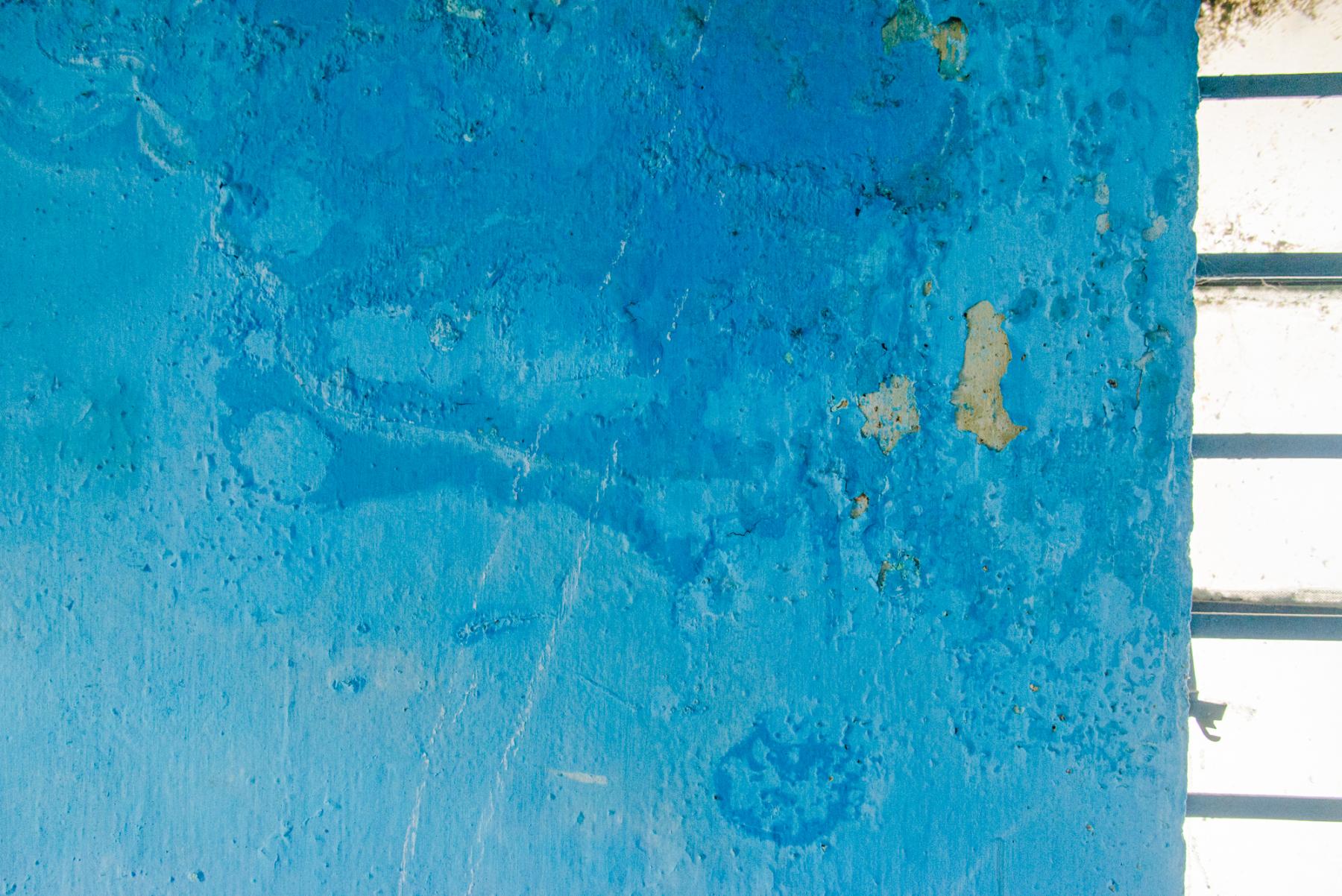
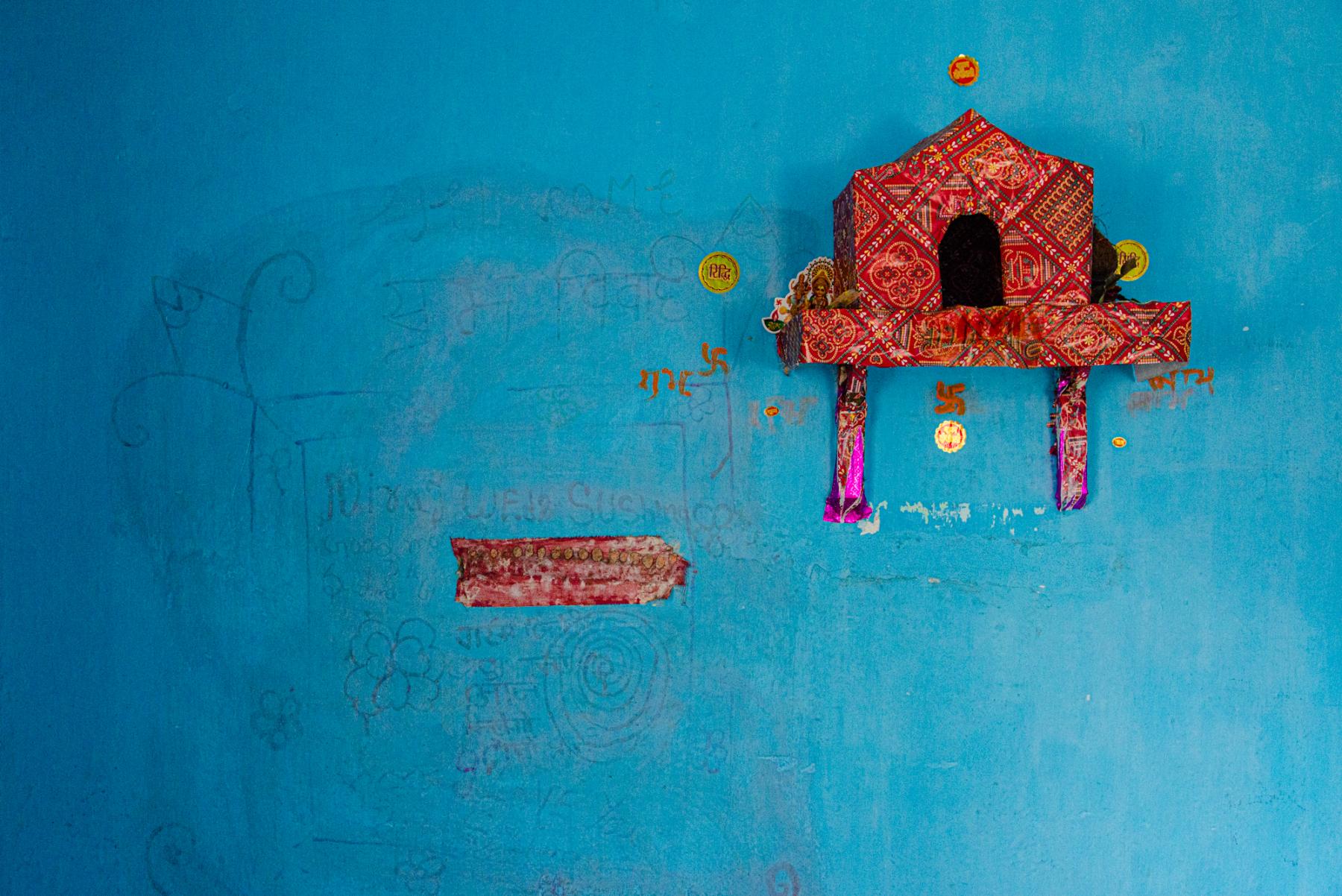
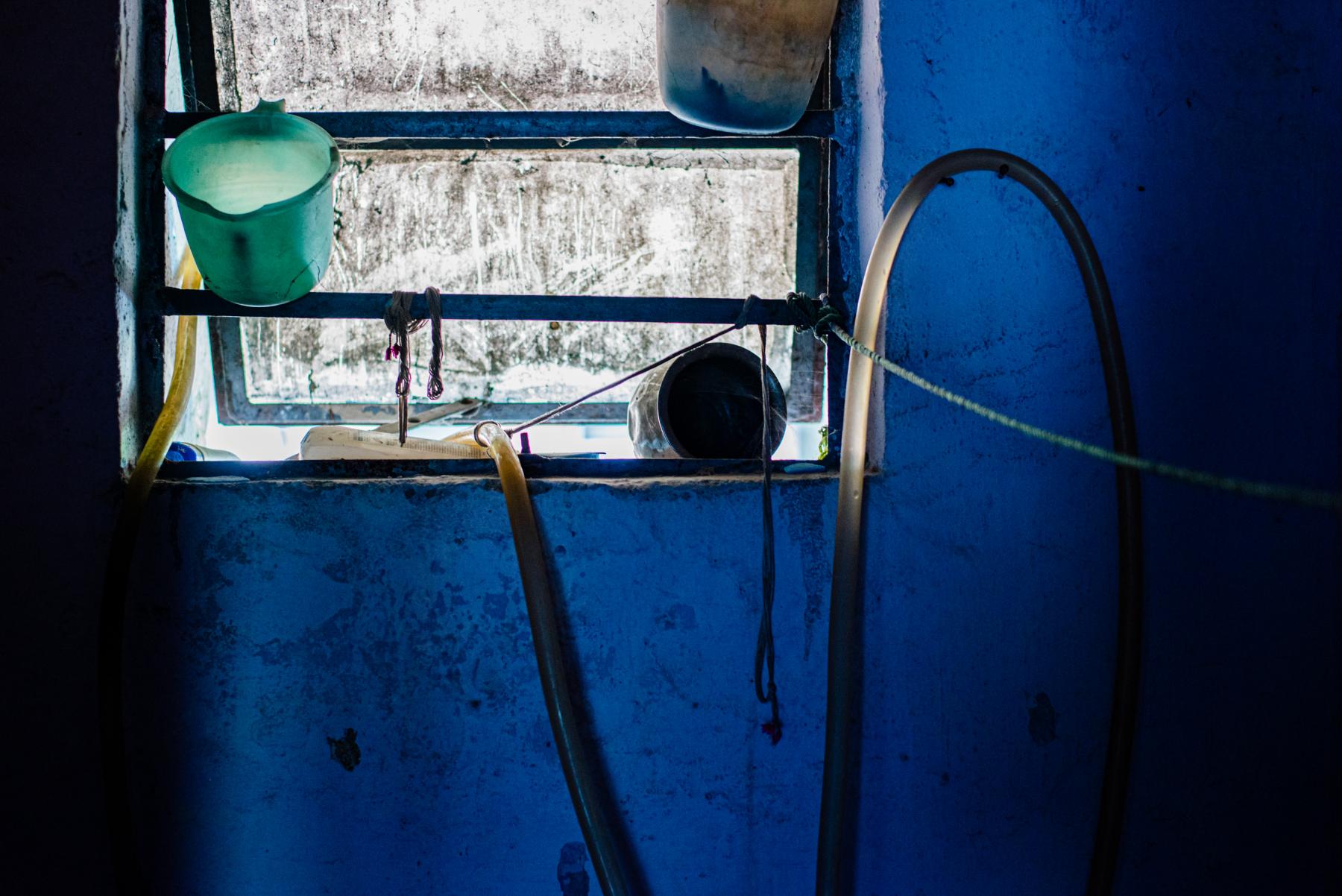
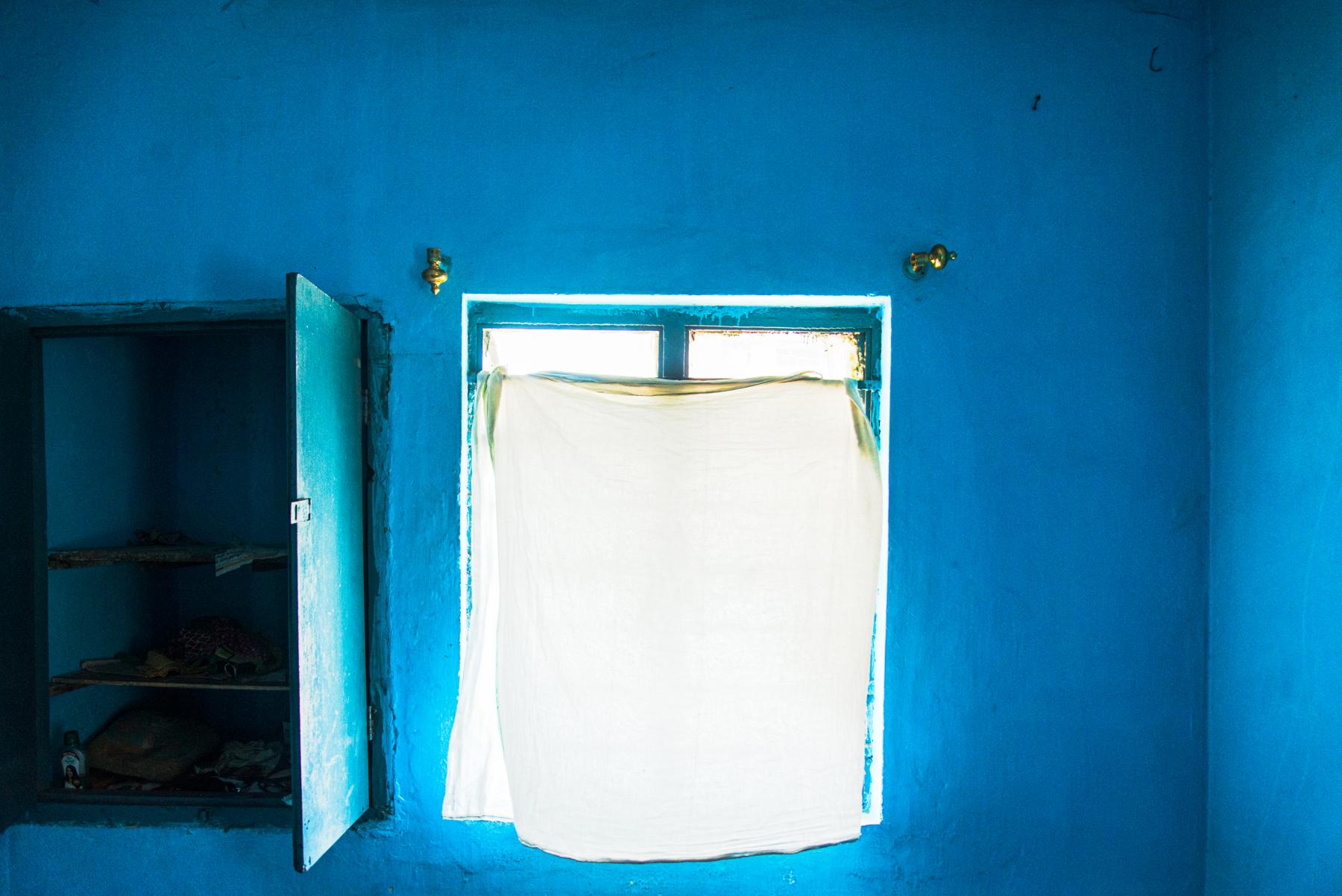
While narrating personal anecdotes, Kumar showcased the main body of the work through projected photographs—the stained walls, floor and rusted windows of the house which inspired the performance’s title. He was accompanied by Anish Victor on guitar, who poignantly performed songs inspired by Kumar’s memories, offering a sonic layer that held the performance together. Without overburdening itself with concepts, academic discourses or mise-en-scene, the performance touched upon aspects of the lives of migrant communities, who leave home to find labour, through voice (in narration and songs), a video stitching together a series of photographs and a table lamp which is turned on and off as Kumar narrates. So doing, the performance tried to engage viewers sensorially through visuals, sound and also touch to allow the audience to imagine their home and what object/person/memory makes it their home.
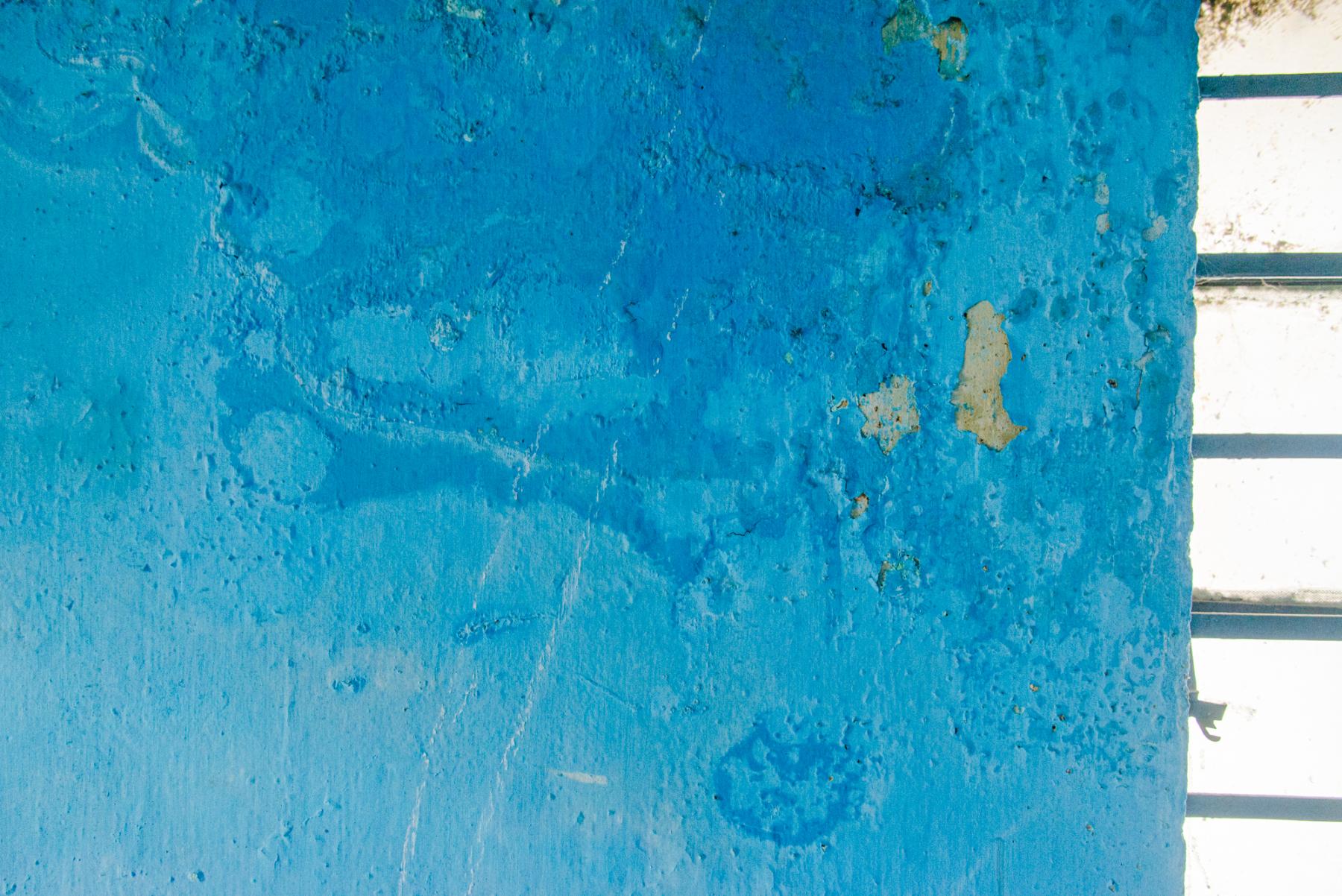
The force of the performance derived from Kumar’s experience and was grounded in his own lived reality. It demonstrated the struggles many families witness in a new space, yet managing to create or become part of new communities in the process. Rather than focusing on nostalgia of the ‘homeland’ or ‘village’—in this case, of Gaya, where the family finds its roots—the narration spoke about movement of the two generations from Gaya to Bokaro and from Bokaro to the many places they further travelled. For Kumar, Bokaro will always remains his “home,” the place he was born and raised, to which he continues to relate even after the family’s second migration to metro cities. Through his photographs, he brought the audience’s attention to this deep association with the government quarters while narrating the small, mundane acts families perform in their houses—hammering a nail in the wall to hang something, discussing how to better their homes and putting objects to make something work around the house. He also pointed out how minute and seemingly insignificant details of every little and big pattern, stain or crack become a repository of memory for the residing family. After living for many decades, they are not mere migrant dwellers who use the house as dera but become part of the house and cultural landscape of the city.
The industrial cities built around mineral mines contain significant duality, as hinted in the performance. It becomes home for the working migrants, but takes away the lands of the indigenous, ironically staging settlement and displacement at the same time. Kumar, belonging to the migrant community, narrates historical facts and events about the indigenous communities of the land, particularly with regards to their criminalisation by the British and their continued exploitation by the state in the name of development and prosperity. The Adivasi and DNT (Denotified Tribes) communities who lose their land, resources, forests and homes remain at the periphery of this development which violates and destroys their sacred world. Kumar’s acknowledgement of this emerges as a contestation between his identity and (idea of) home built on stolen land. Growing up in these contested lands, one picks up the tension in public spaces, and is forced to confront the extent of the loss faced by communities living outside the boundaries of the gated societies. Whilst bonds are created, forming memory and identity, the knowledge of the violence against the land and her inhabitants pushes migrant subjectivity into a flux. Home might seem like a temporary house. A realisation might also occur that pooja pandals or the people with whom films were watched in the open, were 'constructed communities,' propagated by the state toward capital accumulation and development.
The question one needs to ask is: How can migrant communities—forced into exploitation for the reproduction of themselves and their families—become allies and find common cause with displaced Indigeneous communities against the power of the state machinery and private capital?
To learn more about artists exploring ideas and notions of home, read Annalisa Mansukhani’s reflections on Achal Mishra’s Gamak Ghar (2019) and a curated album from Vikrant Kano’s series In Search of Home (1939–2020), Ketaki Varma’s two part conversation with Tenzing Dakpa on his photobook The Hotel (2020) and Sujaan Mukherjee’s essay on Ranu Ghosh’s Quarter Number 4/11 (2012).
All images from House of Blue by Mritunjay Kumar. Images courtesy of the artist.