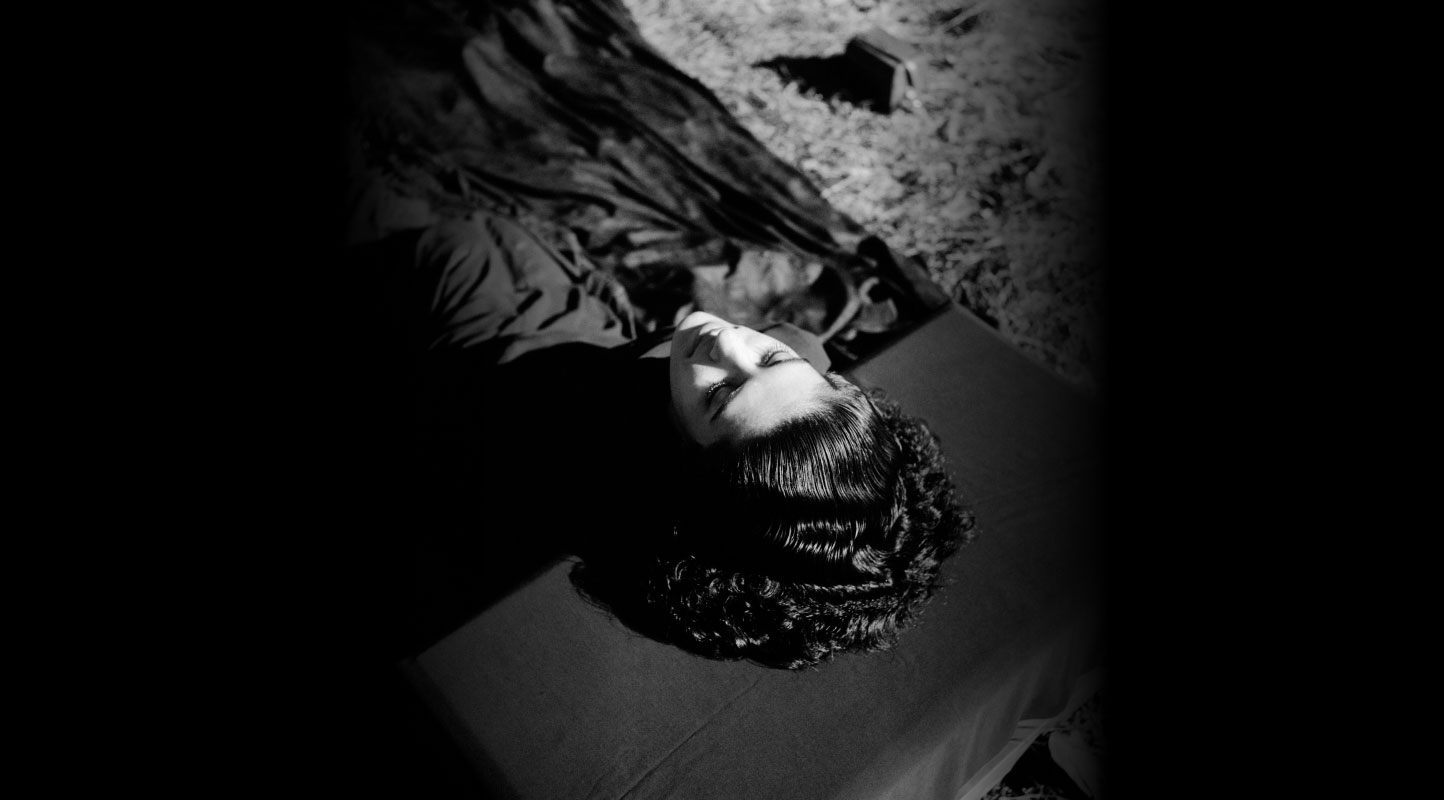


Bearing Witness to Kashmiri Women: Iffat Fatima’s Khoon Diy Baarav
If there is something that Bollywood has trailblazed, it is the misrepresentation of Kashmir. In a reversal of Stéphane Mallarmé’s statement that everything in the world exists to end in a book, today, in Kashmir, everything that does not exist, exists in Bollywood. From Roja (1992) till now, an epoch of jingoistic films have been made, songs sung and literature written about Kashmir that dehumanise and vilify its inhabitants unabated. Amidst this politics of manufacturing pseudo-reality where cinema has taken a brazen approach to create the hyperreal Kashmir, there are sporadic moments in Kashmir’s regional cinema that do not make it to the anaesthetised cinema halls but undo what Bollywood has done to Kashmir. One such film is Khoon Diy Baarav (Blood Leaves Its Trail, 2015), a 93-minute film by the Kashmiri documentary filmmaker Iffat Fatima, which features ensemble women characters struggling to trace the whereabouts of their family members who disappeared during the 1990s.
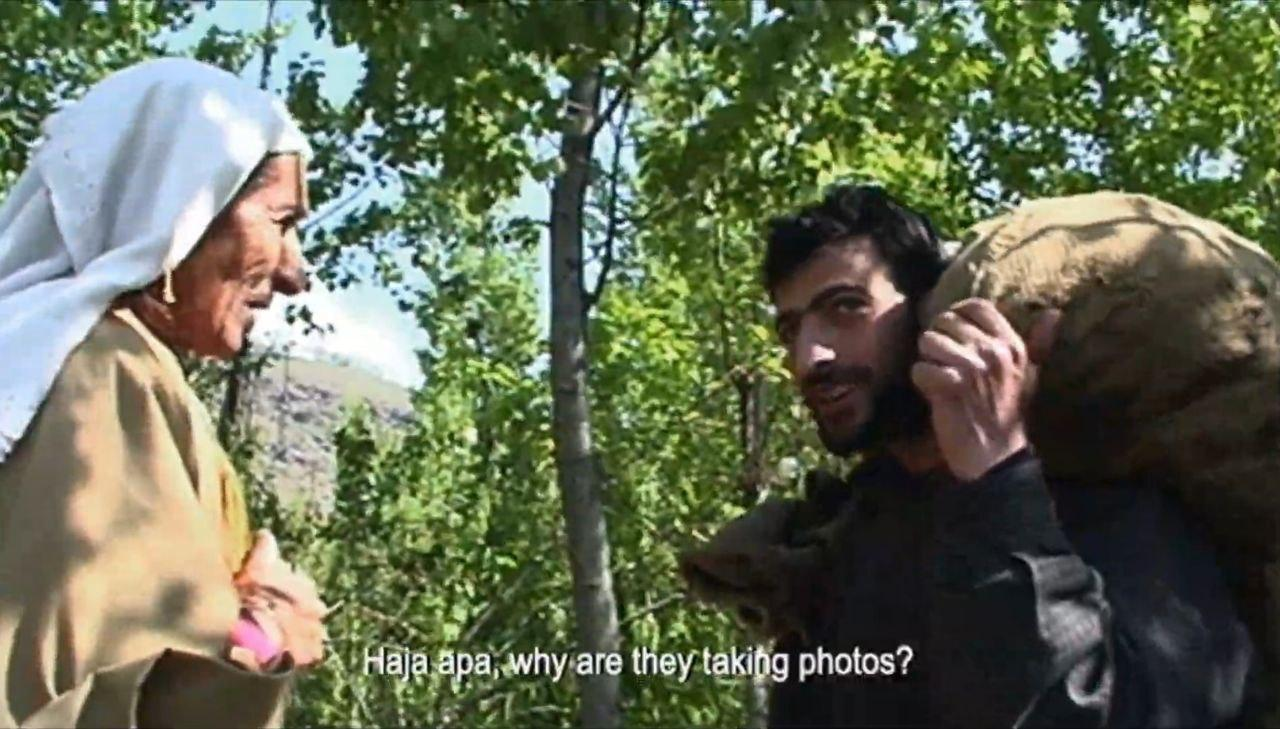
Kashmir's depiction in Bollywood films resembles the notion of India’s first prime minister, Jawaharlal Nehru, who saw the region as one of pastoral feminine beauty. This hackneyed political narrative outlived its stated purpose and created a public imagination of Kashmir that sees Kashmiri women as subdued, submissive, reclusive and dormant characters. Simply put, in John Berger's words, (Kashmiri) “women appear, men act.” To break this narrative, the ensemble characters in Khoon Diy Baarav are courageous, demanding and highly mobile subjects. The constant movement of these characters rectifies the media-propagated portrayal of Kashmiri women.
Khoon Diy Baarav oscillates between the lives of four female protagonists, all members of the Association of Parents of Disappeared Persons (APDP), an internationally recognised human rights organisation with its website proclaiming: “In pursuit of justice, the Association of Parents of Disappeared Persons is a collective of relatives of victims of enforced and involuntary disappearances in Kashmir.” Parveena Ahanger, one of the ensemble characters of the documentary, founded APDP in 1994 to organise efforts to locate the whereabouts of the disappeared people of Kashmir.
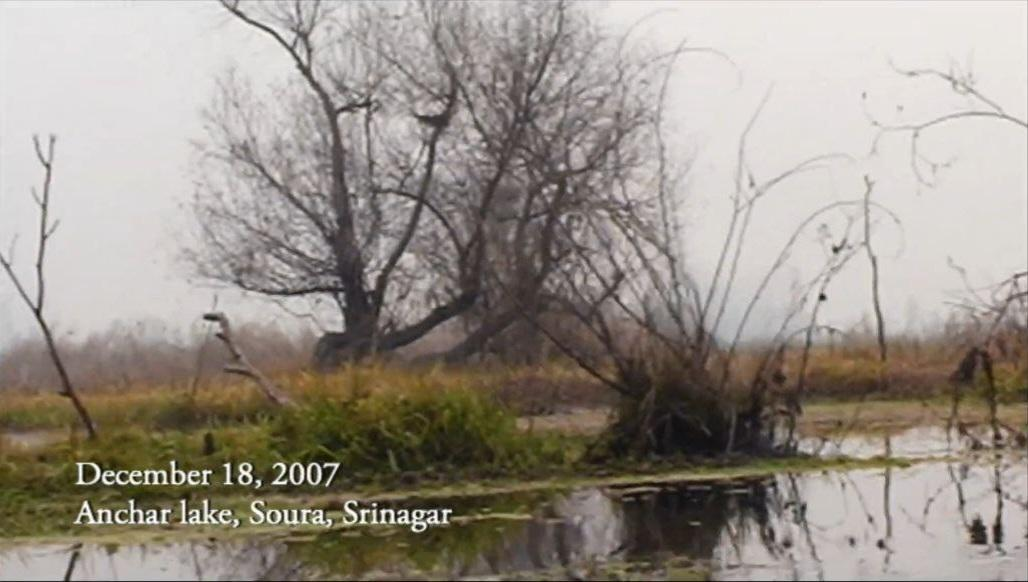
The documentary begins with panning shots of bare trees with the ambient soundscape of an oar wading through the lentic waters of Anchar Lake. This establishing montage ccarries the account of a dream of one of the four protagonists, Shamina, in which her disappeared husband, Shabir, appears. She suspects this to be some kind of masquerade and demands that he undergo a blood test to verify his claims. This scene develops a convoluted tone of nostalgia and longing that runs across the film.
Throughout the film, the filmmaker keeps asking rhetorical questions—"Are they dead? Are they alive? Have they become either?" These questions reveal the nature of abrupt disappearances and the unrequited quest to locate the whereabouts of disappeared people. The weariness of hope permeates into their dreams, which serve as a rendezvous for meeting the disappeared people. This film, initially titled “The Vanished Blood,” attests to the claims of involuntary disappearance and impunity of the state.
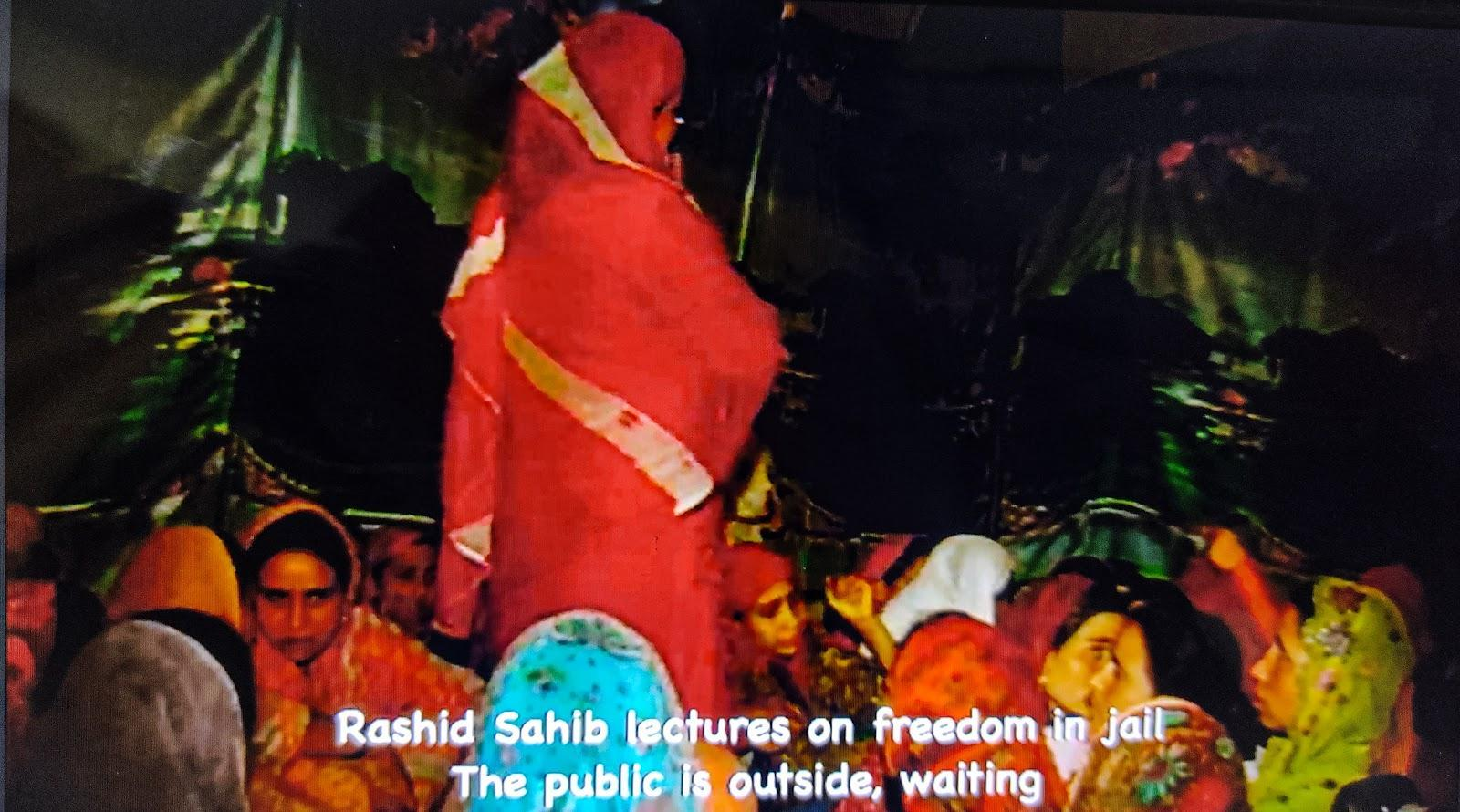
Using a blend of expository and participatory modes of documentary filmmaking, Khoon Diy Baarav employs an emic perspective to shed light on an insider's take on the enforced disappearances and the plight of half-widows and half-mothers caught in the labyrinth of apathy and delayed justice. Thus, we see frequent scenes of women singing dirges which eulogise the disappeared people; for instance, Mughal Maas—a half-mother who passed away during the production of the film—sings Kashmiri poet Mahmud Gami’s poem “Myane Yusufo Walo (Come My Joseph)” which became synonymous with the APDP movement. Halima, a member of APDP and one of the characters in the film, recounts her disappeared husband Rashid's absence in a wedding song;
"And when the public goes back
Rashid will follow their track
…Give us our newspapers
So our truth we can sing."
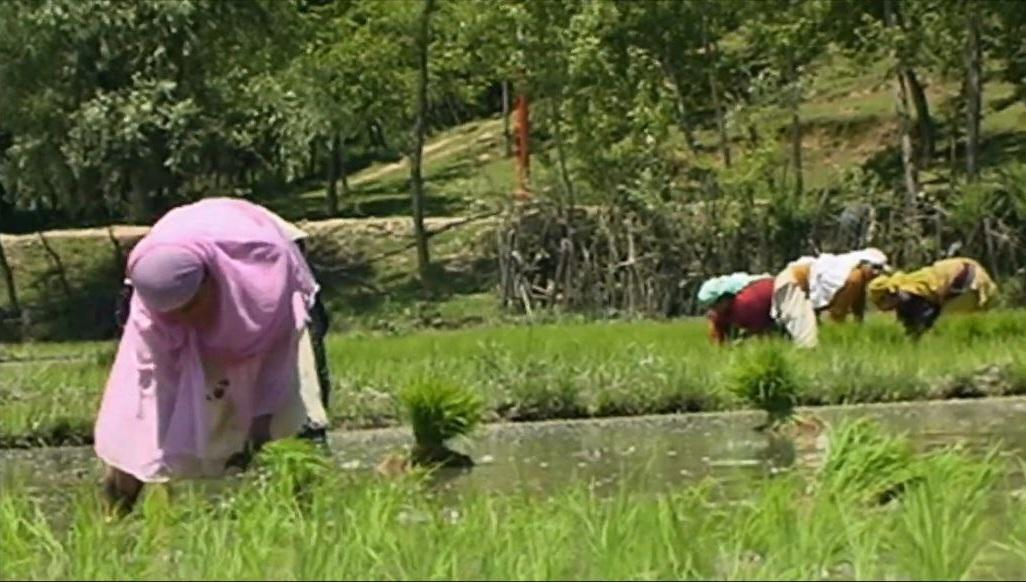
Moreover, the endless wait for family members of disappeared people is amplified by Halima and the other women as they sing while transplanting seedlings.. Singing, in respect to Kashmir, has always been melancholic—whether you were born in Habba Khatoon's age or today, where we amuse ourselves to death.
Walking down the trodden path of Habba Khatoon, Fatima persevered for over eight years to complete this film, sharing, in the process, several vulnerable moments with the characters. Sporadic moments of voice-over narration—by the filmmaker herself—allow the film to adopt a personal tone, as Fatima recounts her initial meeting with Ahanger and the journey toward the film's production: "It all started with meeting Parveena Ahanger. Then I began making the film in 2007. Over eight years, I travelled with her across the scarred landscapes of Kashmir. A witness to its brutalisation and trauma. The film is a testimony as a consequence of my bearing witness."
The form of the documentary allowed Fatima to trace collective memories of trauma and belonging as well as engage with her own identity, memories and positionality. Fatima’s film can then be read as a conscious act of unlearning and deconstructing Bollywood’s imposed identity of Kashmir. Even a decade after it was made, Khoon Diy Baarav reminds us how filmmaking can be deployed as an act of resistance against enforced amnesia and moral apathy.
To learn more about Iffat Fatima’s work, read Mallika Visvanathan’s notes on the panel “Unseen Acts” as part of the Another Lens symposium in Delhi in 2024.
To learn more artists exploring representations of Kashmir, read Mehran Qureshi’s two-part essay on Kashmir as Poem and (Impossible) Picture, Zoya Khan's curated album from her series Skin of the City (2024–25), Ayushi Koul's review of Songs of Paradise (2025) and Asim Rafiqui's two-part reflection on the memorials of Sufi Pirs.
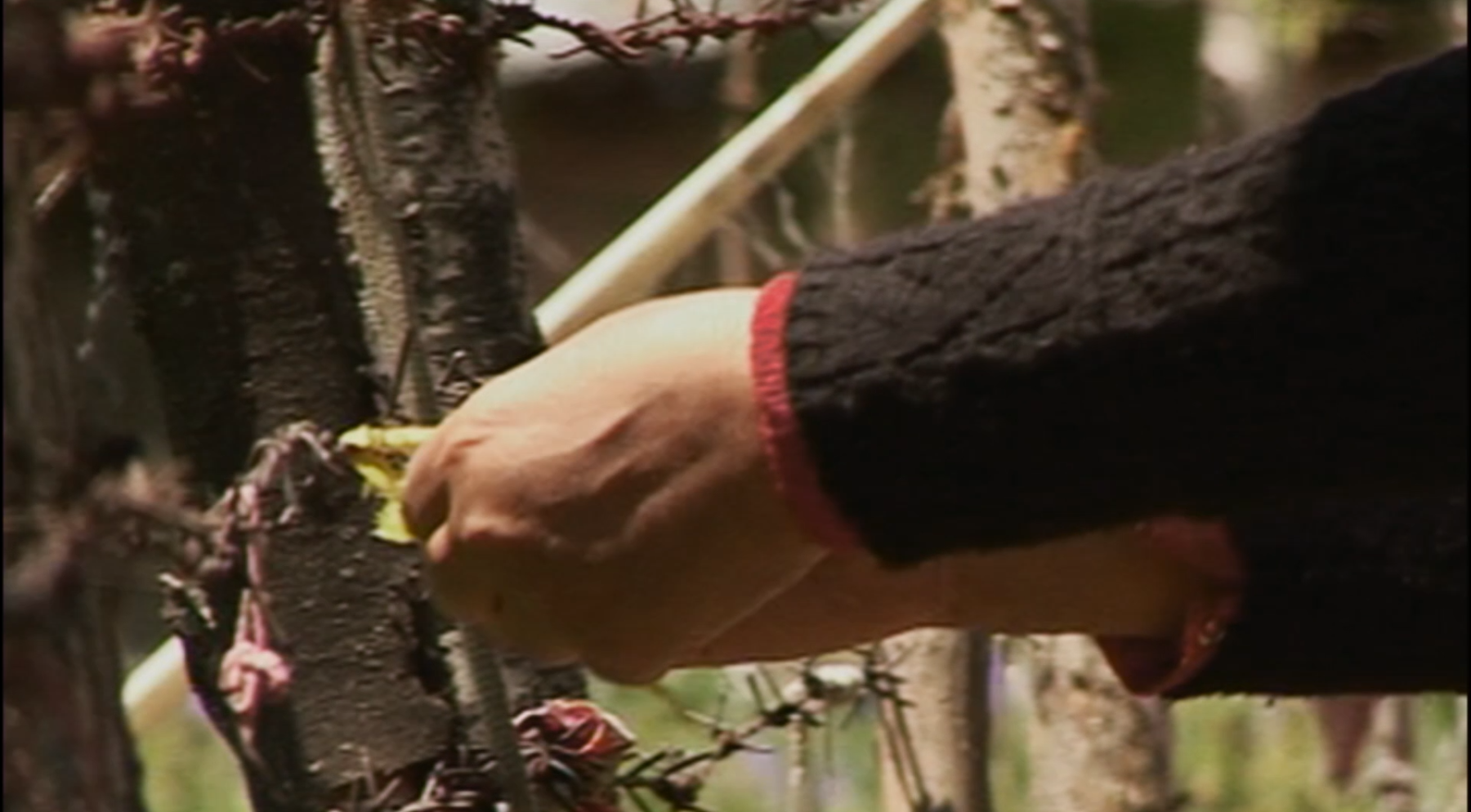
All images are stills from Khoon Diy Baarav (2015) by Iffat Fatima. Images courtesy of the director.