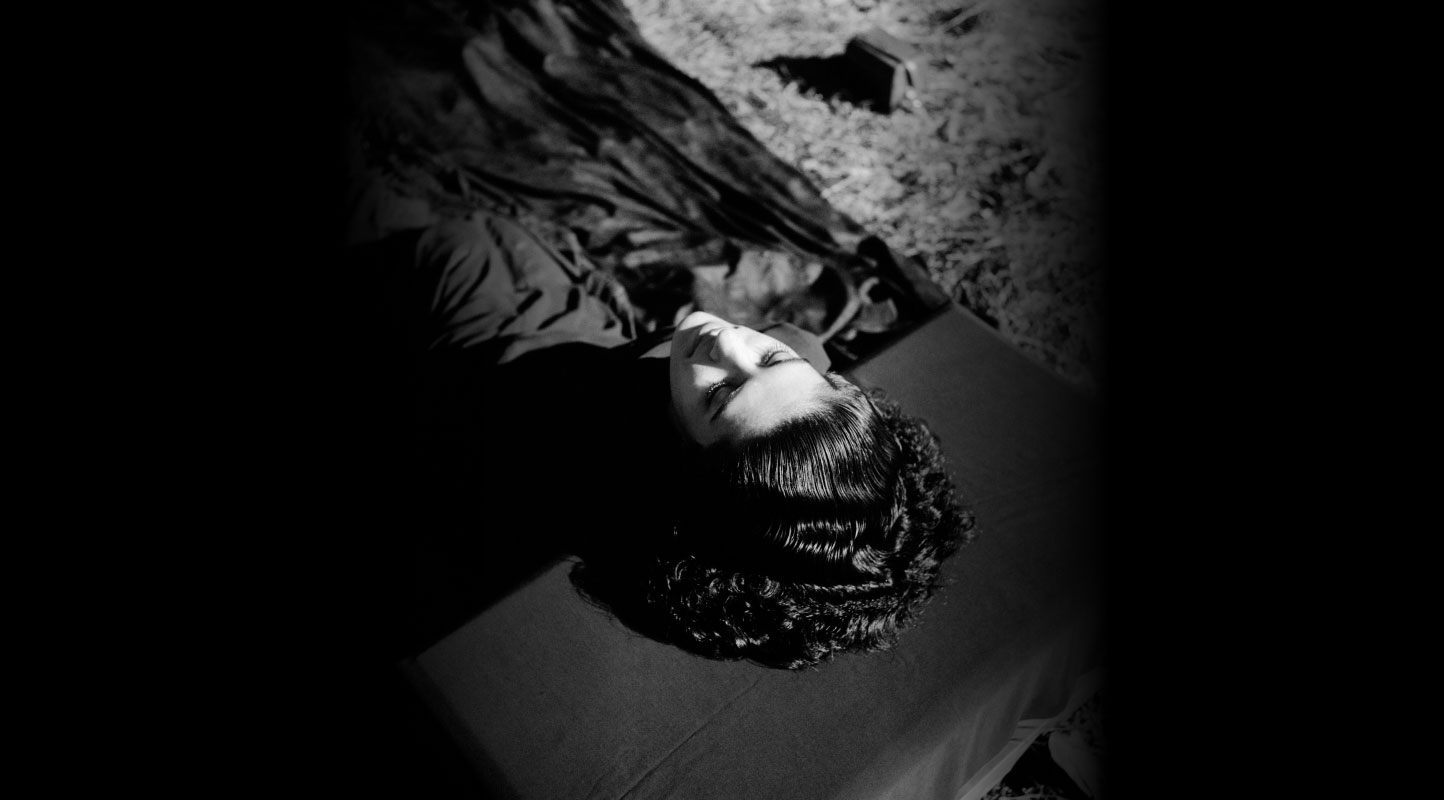


Navigating Tradition: Mani Kaul and Music as Method
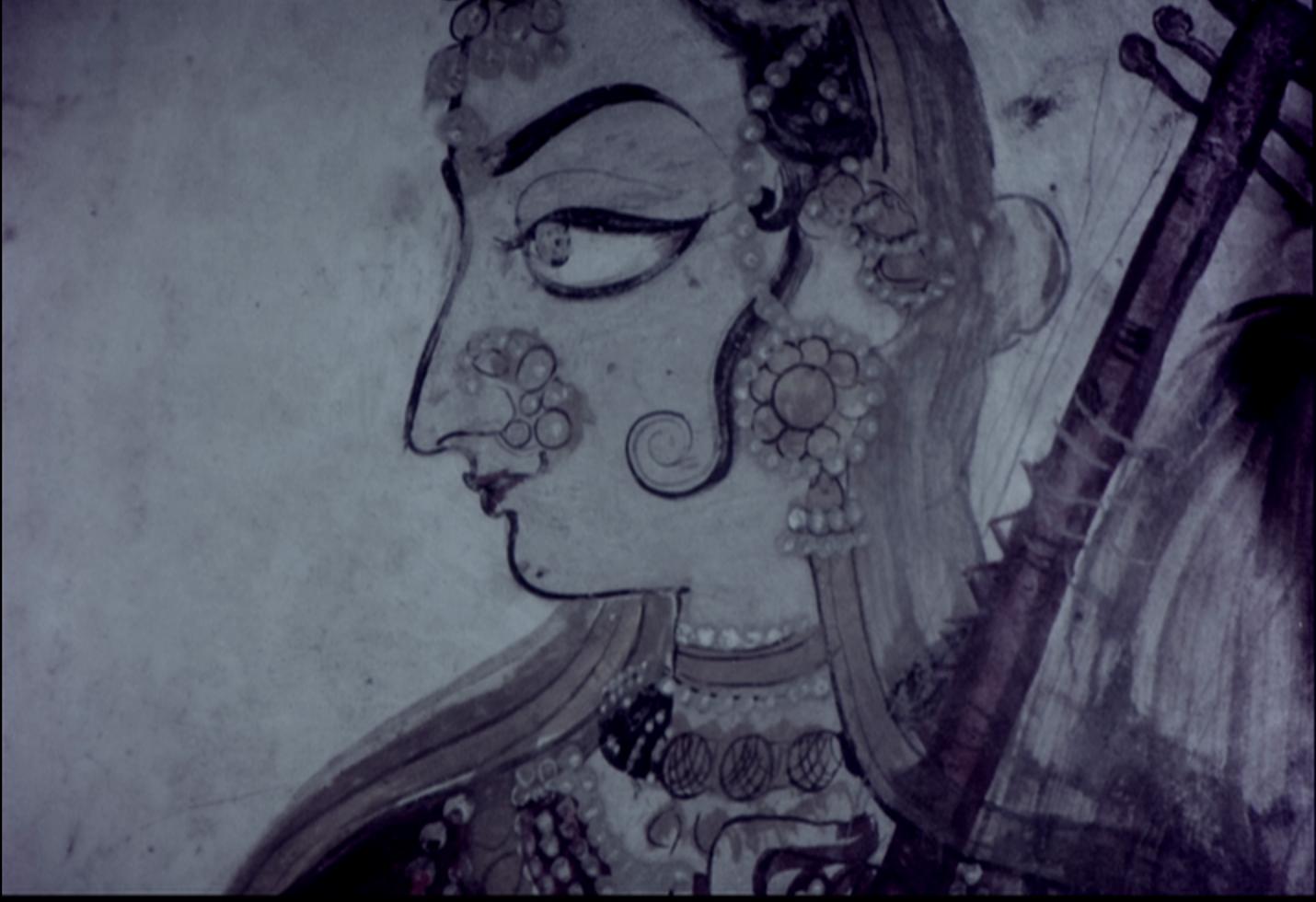
This two-part text is an edited version of my introduction to the screening of the film Dhrupad (1982) by Mani Kaul at the documentary film festival Duisburger Filmwoche on 9th November 2025.
A handful of Indian artists in the 1960s were aware that they were faced with a double challenge. On the one hand, they needed to ensure that the becoming of the Indian modern was not merely an extension of the colonial legacy, and on the other, tackle the question of how to relate to traditional Indian forms in aesthetic terms without conceding to kitsch and sentimentalist revivalism. Art historian and curator Geeta Kapur best resonated the ever-relevant stakes in her essay, “Contemporary Cultural Practice: Some Polemical Categories” (1990), when she wrote that the two concepts of tradition and modernity need to be disengaged from the abstracting ideology of Capitalism, further adding:
"We have to bring to the term tradition, for example, the concreteness of extant practice, and to make the genuine extension of small particularities into new and contemporary configurations. Also, at the same time, we have to bring to the term modern, a less monolithic, a less formalistic, indeed a less institutional, status so as at least to make it… a vanguard notion leading to a variety of experimental moves.”
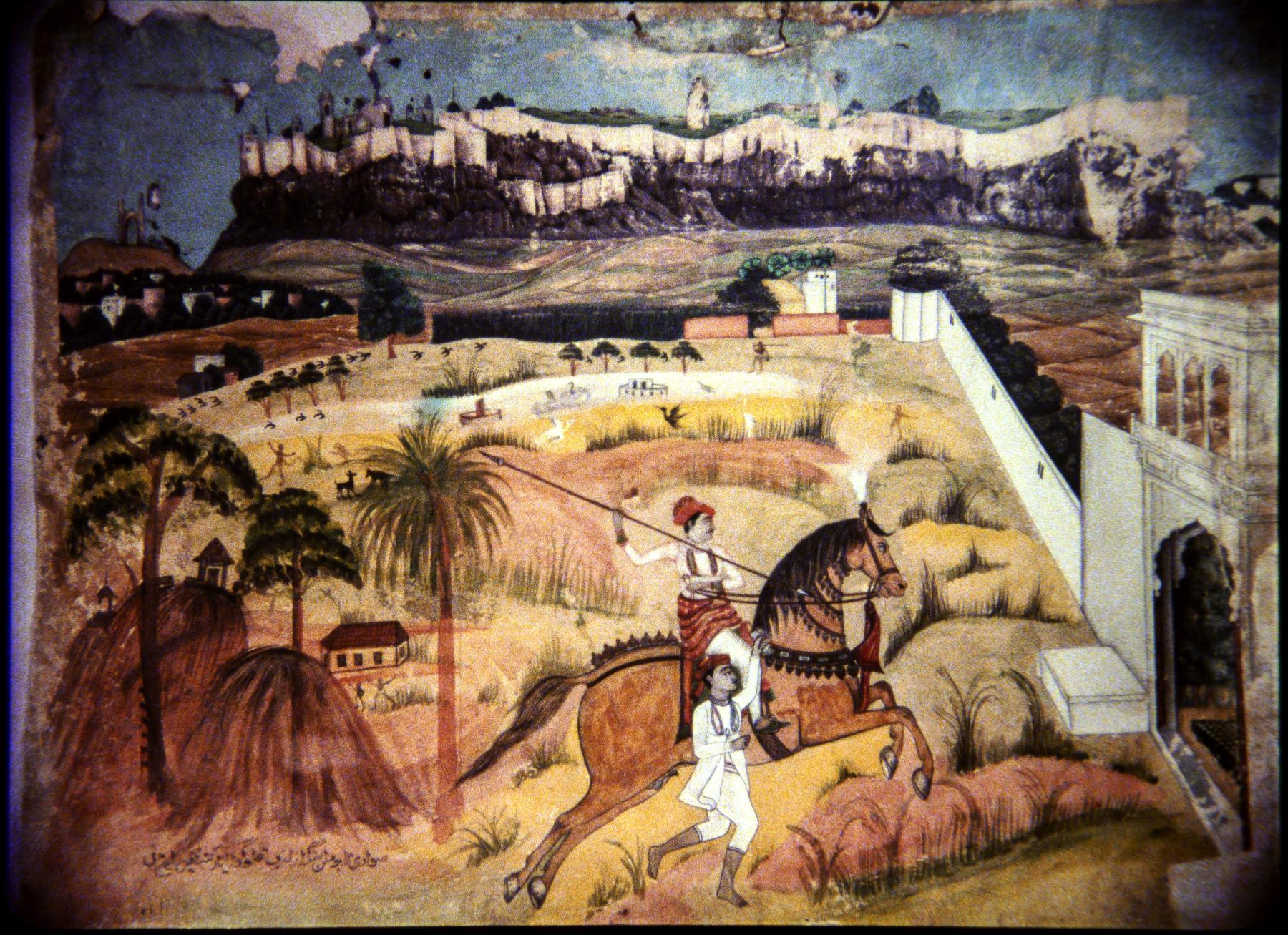
The aim for these artists then was not so much to invent India as an ontological category, but to weigh what aesthetic possibilities could be incurred from centuries-old history that could let them break free from the stranglehold of semi-classical enlightenment forms. Girish Karnad in theatre, Vijaydan Detha in literature, Chandralekha in dance and choreography, Akbar Padamsee in painting and indeed Mani Kaul in cinema would feature in a potentially longer list of such artists.
Kaul was born in 1944, in the western state of Rajasthan in India. He was a beneficiary of the modernisation initiatives of India’s first prime minister Jawaharlal Nehru; he graduated from the Film and Television Institute of India (FTII)—India’s premiere film school—in 1967; made his first feature-length films under the aegis of the short-lived governmental body, the Film Finance Corporation (FFC); and realised many of his important non-fictional films, including Dhrupad, with the backing of the Films Division (FD), an Indian institution set up in 1948 with the agenda of fostering developmental narratives of the young nation-state. A self-professed admirer of both Robert Bresson and Ritwik Ghatak, the latter his teacher, Kaul nursed a deep interest in seventeenth-century Indian miniature painting, folk traditions in literature, Indian philosophy, and most fervently, in the North Indian classical music form of Dhrupad. Kaul’s cinematic language was shaped by his engagement with India’s pre-colonial history, for example, his quest to circumvent perspectival convergence in both, his films’ narratives (allegorically), and the framing of his shots (literally), draws upon the spatial organisation in Indian miniatures, but perhaps nothing to Kaul was more influential than Dhrupad. Writer and theatre critic Shanta Gokhale once wrote: “Classical Indian music is to Mani Kaul, the purest artistic search. The aalap or the slow unfolding of a raga (melody) to get its innermost swaroop (form), is its finest expression.”
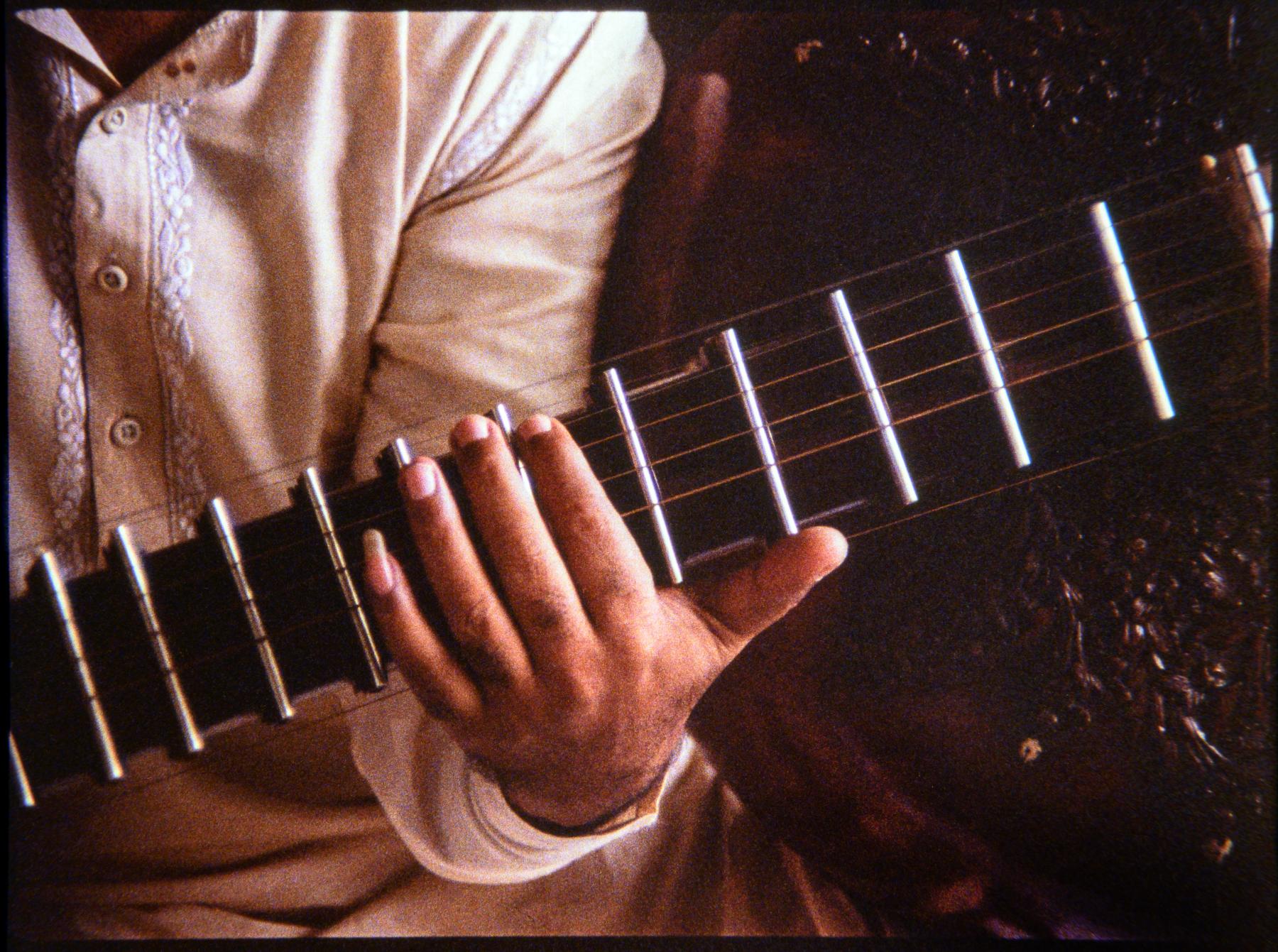
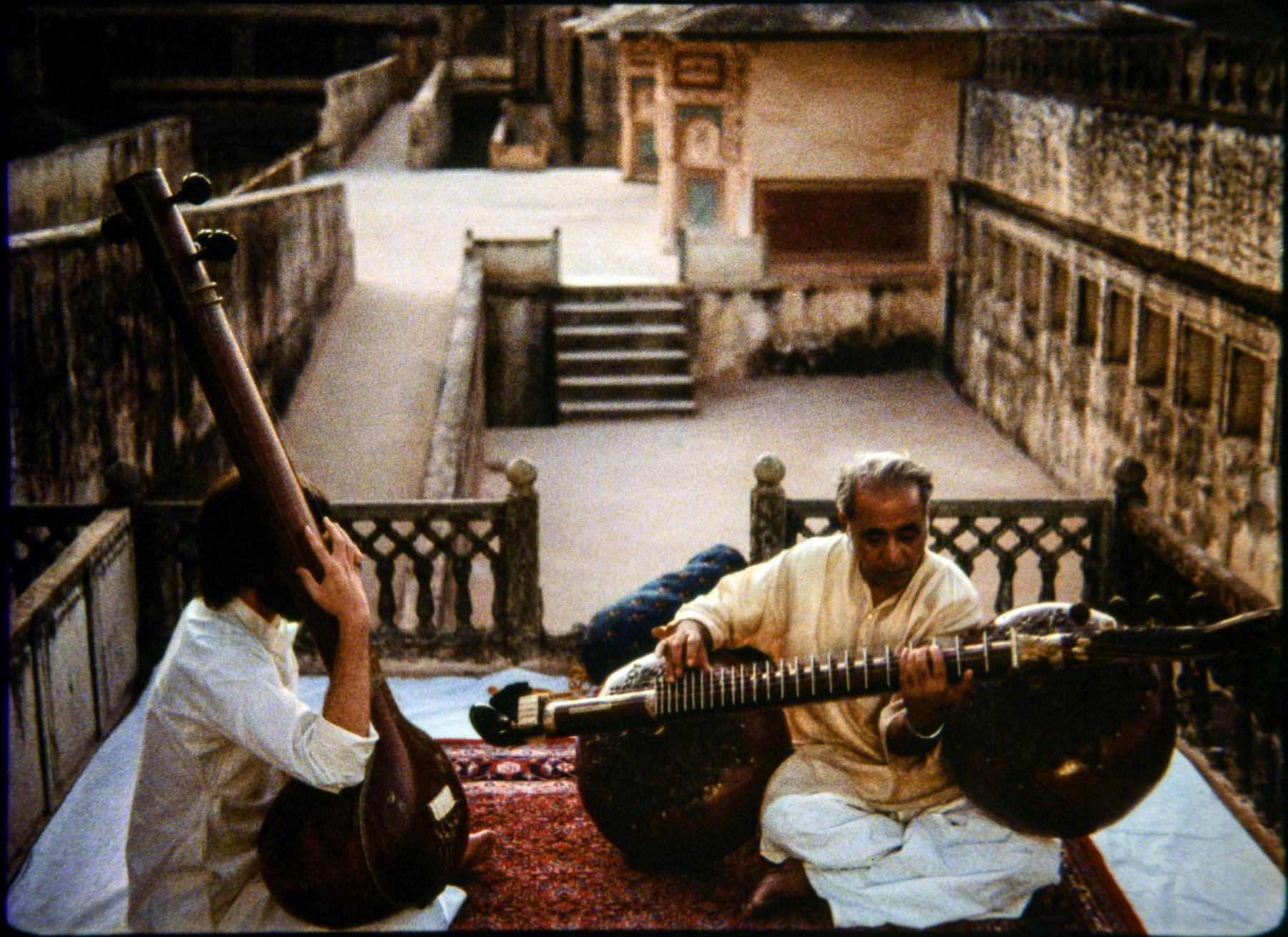
The making of the film Dhrupad was a consolidation of Kaul's interest in the musical genre that would then last his lifetime. It is centred around the Dagar family—the preeminent practitioners of the form. Kaul was taught music by the two protagonists of the film—Zia Mohiuddin Dagar, playing the plucked string instrument rudra veena, and his younger brother, Fariuddin Dagar, the vocalist. After a screening of Dhrupad at the Flaherty seminar in 1994, Kaul noted:
"In Dhrupad, I tried to give a straightforward introduction to the music of the two musicians you see in the film. lt is a music without notation. In a sense, it is not even possible to notate this music; it is too complex. There are continuously ascending and descending tones, and it is impossible to say that these tones follow this or that note. The tones are always travelling in the dissonant areas between notes.
I was especially interested in how the Indian musicians transmit the tradition of their music orally. A student can study this music for years and never write a sentence in a notebook. You can only learn the music by continuously listening and practicing until you begin to elaborate it in your own way.”
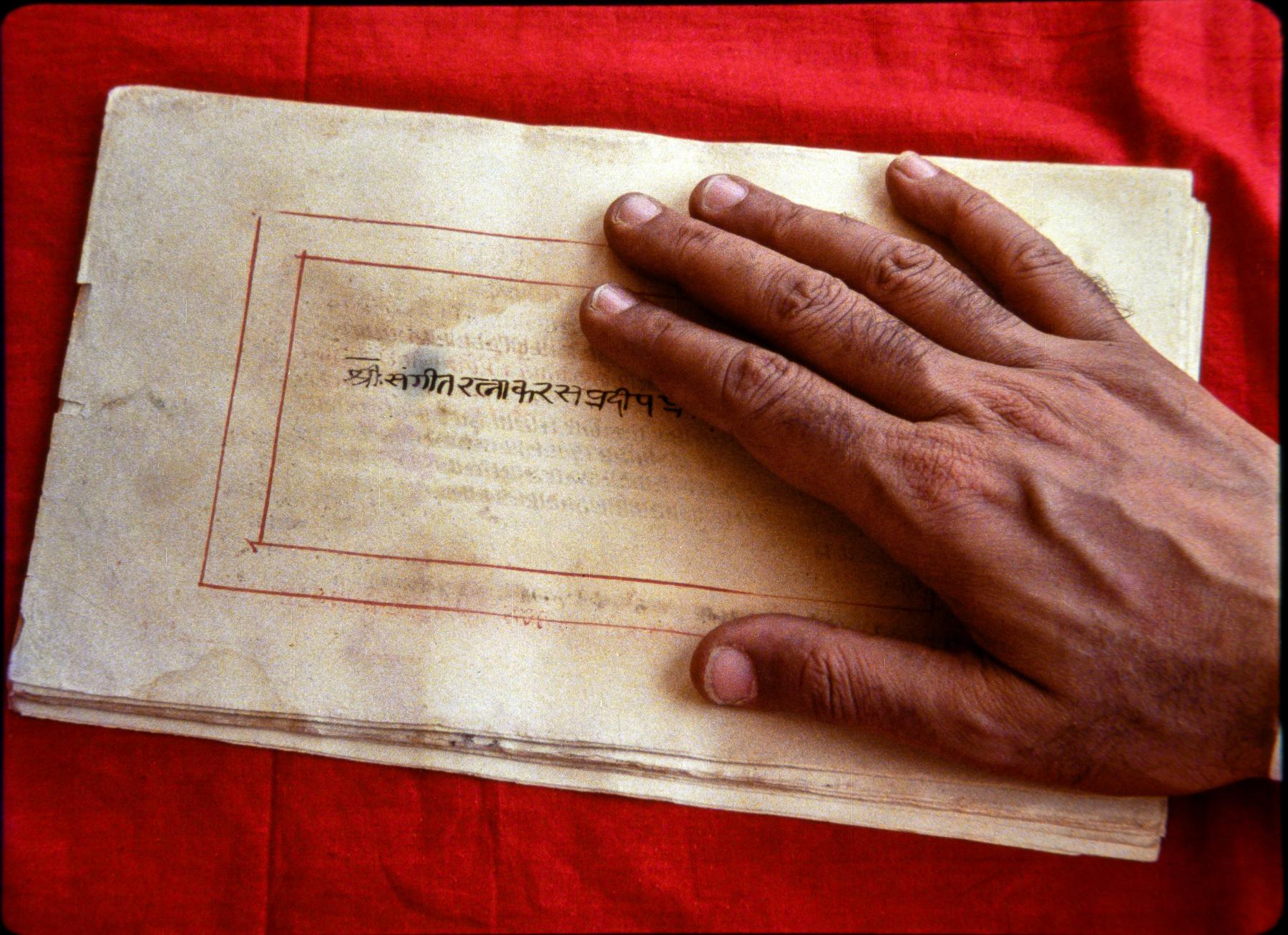
At the heart of Kaul’s fascination with Dhrupad was the scope of improvisation it provisioned through a combination of defined scales and improvised notes within its austere structure, in contrast to the grammatical strictness of Western classical music. What excited Kaul was that through the nature of improvisation, which varies from person to person, Dhrupad performances formalise a kind of individuation—a unique departure for each one practising the art form. Once when accompanying Mohiuddin Dagar during a lesson where he had tasked his pupils to repeat a musical phrase, Kaul observed that they all made “mistakes,” or as Dagar had then outlined to him, they uniquely departed from what they had been asked to emulate. Dagar intimated that it is in such digressions that a musician expresses their individuality, and as a teacher, it was his duty to work with it rather than try to rectify it, a lesson that Kaul held dear to his heart.
The making of the film is further explored in the second part of this essay.
To learn more about parallel cinema in India, read Kshiraja’s essay on John Abraham’s Amma Ariyan (1986), Sanjita Majumder’s rumination on G. Aravindan’s Thamp̄ (1982), Sucheta Chakraborty and Akshay Shelar’s respective reflections on the restoration of Shyam Benegal’s Manthan (1976) and Charandas Chor (1975).
All images are stills from Dhrupad (1982) by Mani Kaul.