

On Censorship and the Cinematic Imagination: In Conversation with Labanya Dey
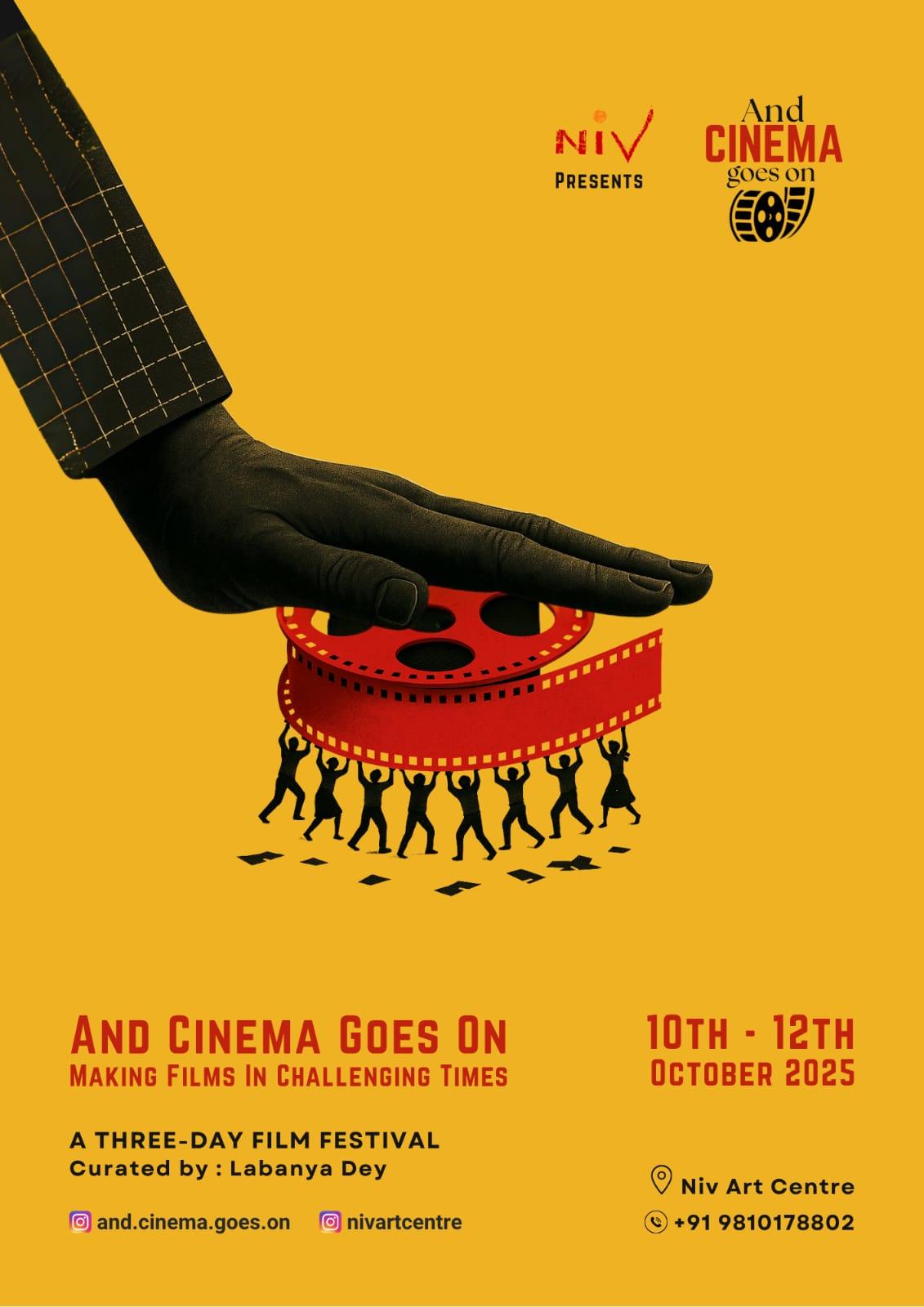
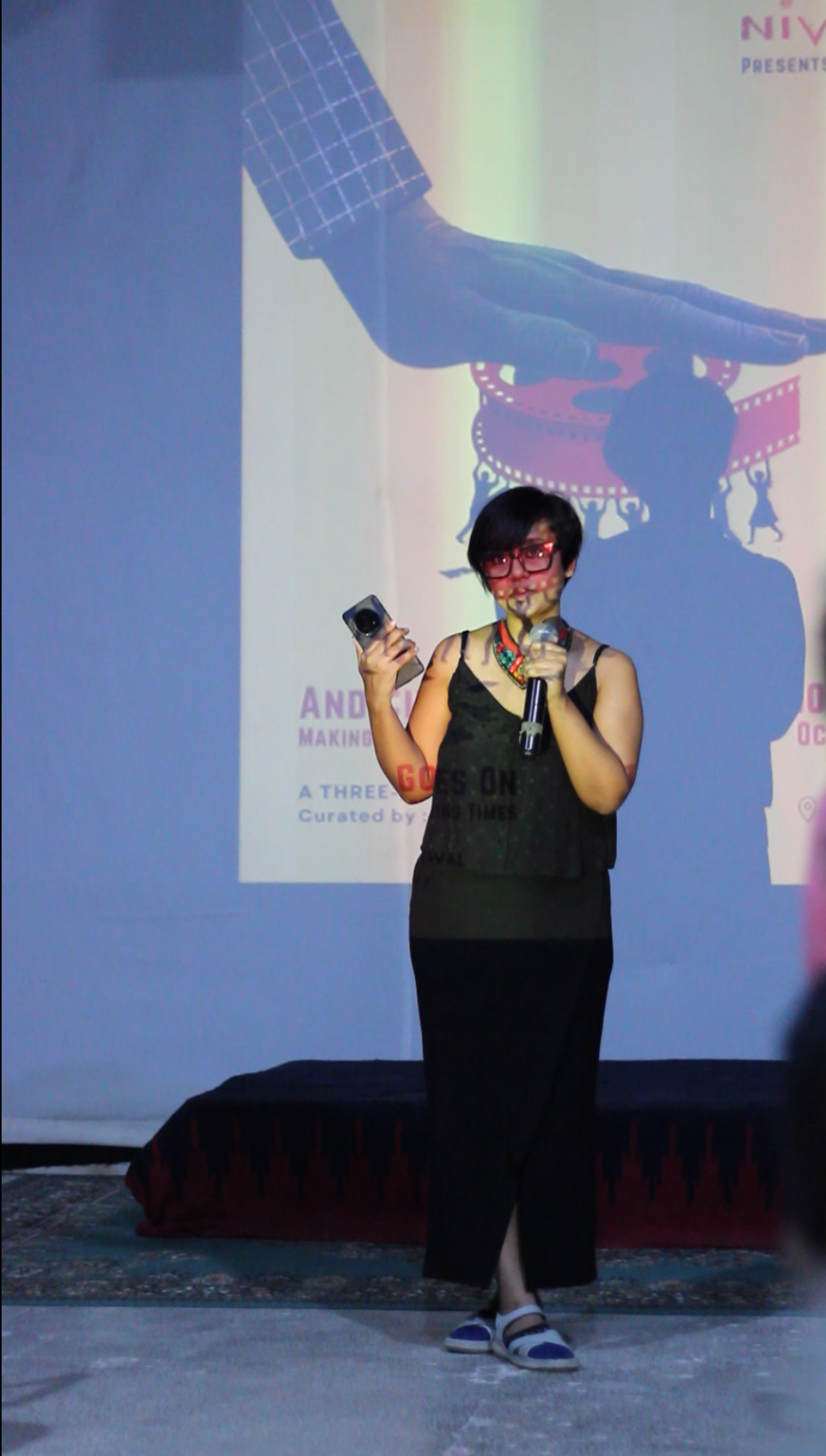
In this edited conversation, writer, researcher and film curator Labanya Dey speaks about her curatorial journey and the political and aesthetic urgencies that shaped the film festival And Cinema Goes On: Making Films in Challenging Times, which she curated at NIV Art Centre in New Delhi, from 10–12 October 2025. Bringing together films from India, Iran and Palestine, the festival foregrounded the struggles against censorship, state suppression and threats to freedom of expression, fostering critical discourses around these issues while also celebrating cinema’s capacity to endure. Dey’s curatorial vision draws inspiration from the spirit of Iranian auteurs Abbas Kiarostami and Jafar Panahi, and their persistent defiance against the Iranian regime through formal aesthetic innovations and sustained political action. The line-up—featuring films by Kiarostami, Panahi, Sreemoyee Singh, Dibakar Banerjee and the Palestinian-Israeli co-production No Other Land—initiated transnational dialogues about censorship and creative dissent. Through community screenings and alternative sites of spectatorship, the festival also provided a space for critical engagement and dialogue between the public and filmmakers to reimagine cinema as a mode of intimacy, resistance and collective reflection in an increasingly commodified and precarious cultural and political landscape.
Bishal Roy (BR): The title “And Cinema Goes On” invokes cinema’s continual journey despite censorship, oppression and loss. What was the inspiration to choose this title and how does it shape your curatorial vision?
Labanya Dey (LD): The title comes from my experience of watching Iranian films. This started while I was studying in Film Studies at Jadavpur University and I became hugely inspired by filmmakers like Abbas Kiarostami, Jafar Panahi and Ashgar Farhadi. One scene that really stayed with me from And Life Goes On revolves around a couple who, having lost their entire families in the earthquake, get married immediately after. The filmmaker asks them: “How can you do that? You have lost your family.” The man replies, “We have already lost everyone. All we have now is each other and we want to live our life.” They celebrate under a plastic shed with some roasted tomatoes, but they choose life despite grief.
That spirit—that even while grieving, people keep finding ways to continue—is what I wanted to capture in the festival. The festival was about paying tribute to filmmakers like Kiarostami and Panahi, who, despite repression, kept finding ways to make cinema and express life. Censorship is everywhere: in film, literature, academia and public spaces. Women and queer communities in India face restrictions and censorship, yet they create new spaces for expression and visibility. Art installations, queer pride marches and reclaiming derogatory language are all ways of navigating those limitations. In that sense, cinema also becomes a metaphor for human resilience—through new cinematic grammars and new languages of storytelling, filmmakers find ways to express intimacy, love, grief and joy in our daily lives to navigate through this reality of oppression.
.jpeg)
BR: The festival featured films and filmmakers affected by censorship and political oppression in various ways within their respective political regimes. How do you interpret their authorship—as personal testimony, a political gesture or a call to action?
LD: Well, I think this varies from filmmaker to filmmaker, and I might not be the best person to answer this, as I do not want to comment on anyone's intentionality. But obviously in the case of No Other Land, it automatically becomes a political call to action—because of the life-or-death nature of the situation, and the director also explained that filmmaking is part of their political activism. Although in other instances, for example, Dibakar (Banerjee) wanted to make a film in which he wanted to talk about certain things and Netflix produced it. Later they declared that it was not the right time to release the film. In the case of Kiarostami and Panahi, they are restricted to telling stories in a particular way and discussing specific topics in Iran, so they try to find or improvise ways to say what they want to. So the restrictions then became a catalyst or vehicle for their aesthetic expression, giving way to different filmmaking techniques; thus, Panahi kept making films in his car or under house arrest. It is the constant negotiation with different forces that these filmmakers go through, molding their cinematic language in revolutionary ways, both aesthetic and political. With Sreemoyee’s (Singh) documentary, we see her journey as an Indian woman experiencing Iran. The narrative of the film weaves together Persian poetry and music. As a singer herself, when she performed her music in Iran, she noticed the absence of women’s voices in Persian society, as the women of Iran are not allowed to sing publicly. It is interesting to see her including Forugh Farrokhzad’s poetry and her influential journey as a poet, exploring the sexuality of women in the documentary. Sremoyee’s journey and experiences reinforce the connection between India and Iran in this festival.
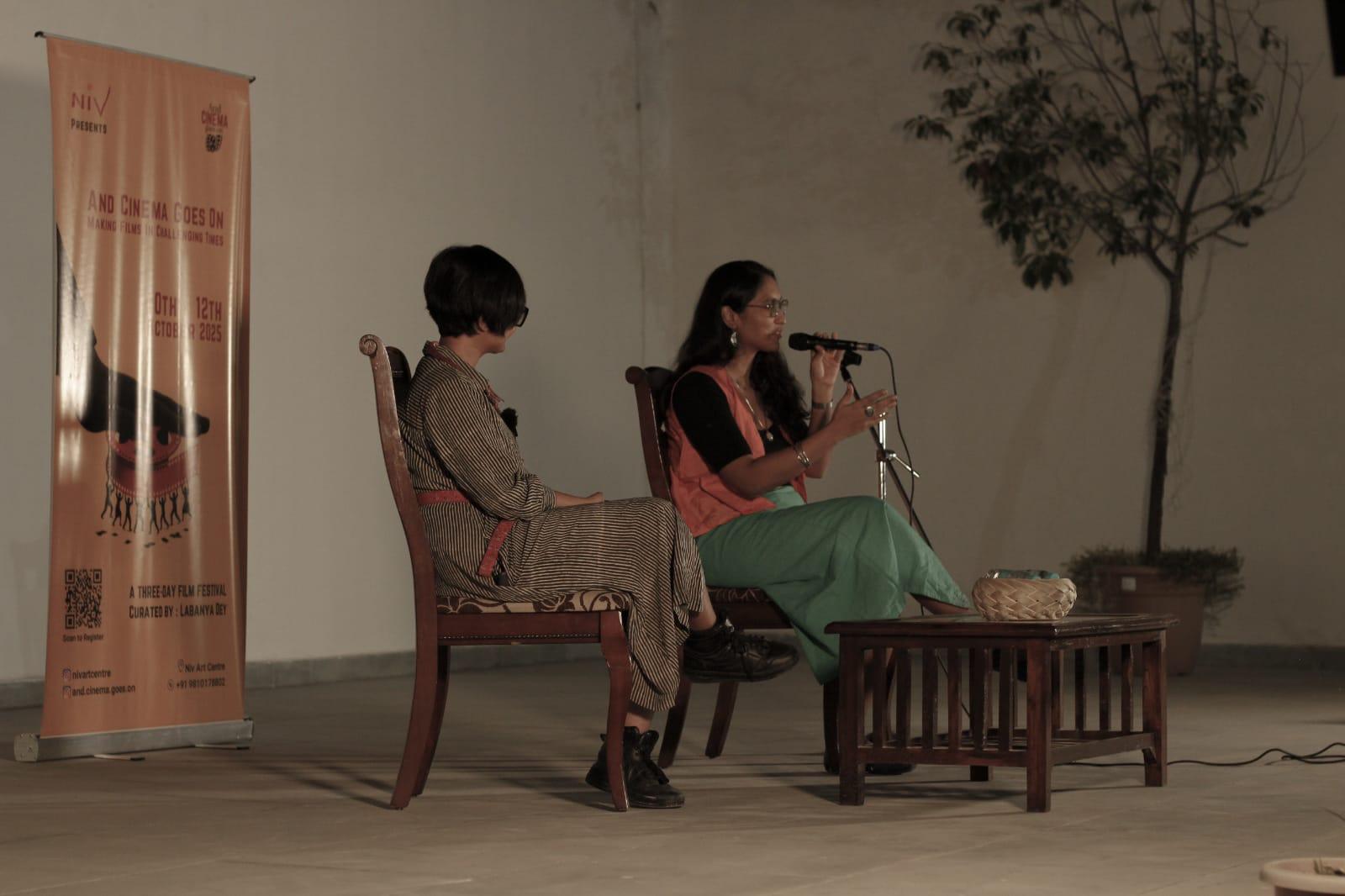
BR: NIV Art Centre and institutions like this offer a specific space of spectatorship and discourse—what do you think about the transformative potential and affective role these spaces can play? What does it mean to view Palestine, Iran or marginal India, for that matter, from the positionality of an Indian art and culture space?
LD: Firstly, I am really thankful and grateful to NIV Art Centre for hosting this event because not many institutions or organisations will support a festival featuring panels and critical discussions similar to this. Maybe they want to do it, but they really cannot due to pressure from different spaces, inside and outside. NIV came forward and gave us a platform, which I think is commendable. The NIV Art Movies, the production house under NIV, has faced similar censorship and controversy during the release of their film Sexy Durga. It faced nationwide backlash, as using the word “sexy” before the name of the goddess Durga did not sit well with the Hindu community. A similar thing happened with Kaali by filmmaker Leena Manimekalai. The poster showed the goddess smoking a cigarette and holding a pride flag, which sparked outrage online—the director received rape and death threats and was told not to return to Kerala. Yet, Kaali was simply an artistic expression, much like Sexy Durga, which also faced censorship. At NIV they have fostered a safe space for films of these kinds and discussions around them. Despite its location in Neb Sarai—away from the centre of the city and constant traffic—a lot of young people appeared for the festival and took part in critical dialogues with the filmmakers. It is important to form more such community spaces of dialogue, dissent and critical engagement in any capacity.
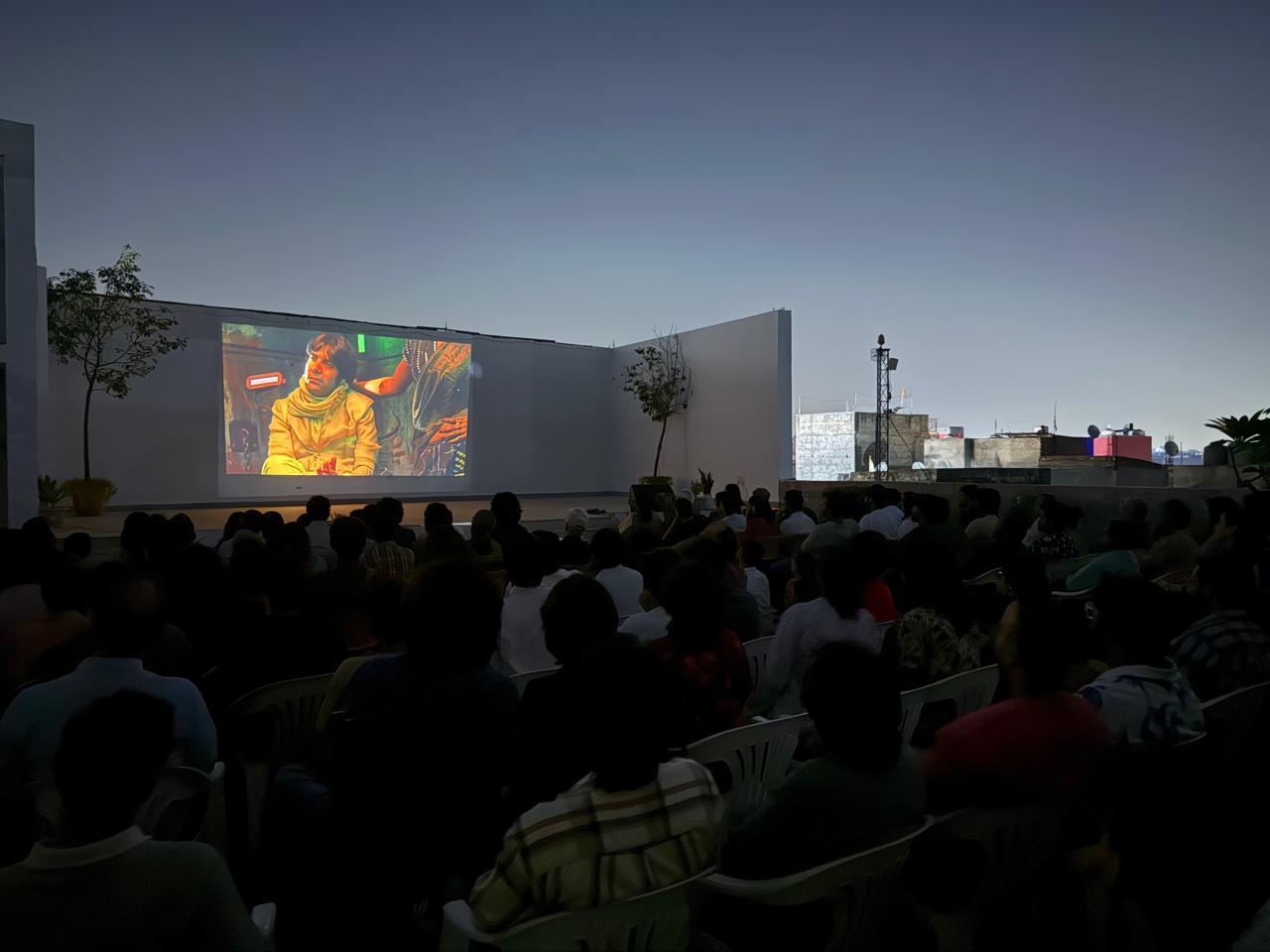
BR: There were rooftop screenings of No Other Land; And Towards Happy Alleys; and Tees during the festival. Could you speak about how the architecture or the spatiality affected your curatorial vision?
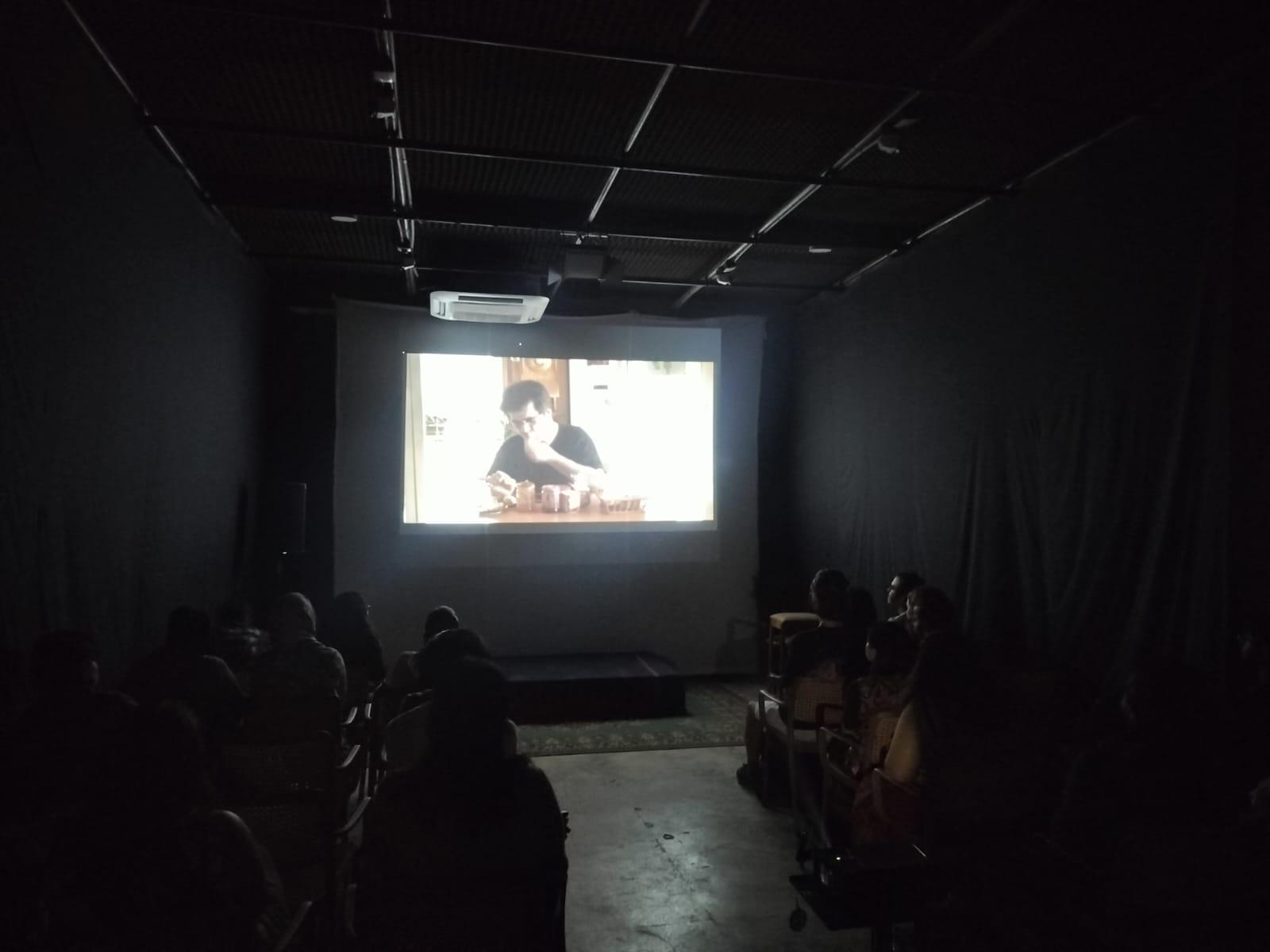
LD: For the rooftop screenings, it became a very interesting community experience for all of us, reminiscent of the film spectating customs of the older days, when people came together for informal screenings and watched, discussed and celebrated the whole ritual of it together. It was different from the experience that we have today while watching films in multiplexes, which I think is an alienating experience for everyone, including working-class people; the space of the mall and the capitalist and consumerist nature of this experience immediately alienate you. But in contrast to this, in these community screenings people gather together, make friends and discuss films. The rooftop screenings in particular were a very immersive experience; people sat together on floors or stairs and they did not whisper their feelings but were rather vocal and expressed themselves freely. It really felt like the community spaces that existed in the single-screen theatres and university screenings, which are more intimate, inclusive and welcoming.
BR: What challenges did you face in curating a festival like this?
LD: As a curator, firstly, I could not show all the films that I wanted to show, for different reasons. But still I am taking this whole experience positively, as this was my first venture. Going forward with And Cinema Goes On, I would like to include more films. Also to curate a film festival on censorship, you have to self-censor yourself a lot. While talking to the media I had to be very conscious about each word and phrase I used, as anything can be interpreted out of context. But I have learned from Iranian cinema, so I enjoy this process. I have approached many media houses and outlets, but not many have turned up, maybe due to the subject matter of the festival. If I had done a Kiarostami or Panahi retrospective, probably the experience would have been different. However, that made me realise I am catering to the right audience, and I want to reach these dedicated groups of people. The number of audiences turning up on weekends says a lot about the potential of this kind of curation in critical discourses and resistance in these challenging times. Additionally, I think arranging funds or getting sponsorship deals for these kinds of festivals with sensitive themes is really difficult, which is a very important thing that should be discussed.
To learn more about the films screened at And Cinema Goes On, read Dev Saraswat’s reflections on Dibakar Banerjee’s unreleased film Tees and Ishtayaq Rasool’s observations on Abbas Kiarostami’s And Life Goes On (1992).
To learn more about forms and attempts at censorship, read Steevez’s essay on the censorship at the PK Rosy Film Festival in April earlier this year, Stephi’s Saleth's reflections on the panels hosted at "Verchol," a Dalit Literature Festival organised as part of the Vaanam Art Festival, Shefali Khan’s reflections on Palestinian-Canadian musician Nemahsis’ journey and Ayushi Koul’s critical review of Danish Renzu’s Songs of Paradise (2025).
All images are from And Cinema Goes On. Images courtesy of Labanya Dey.