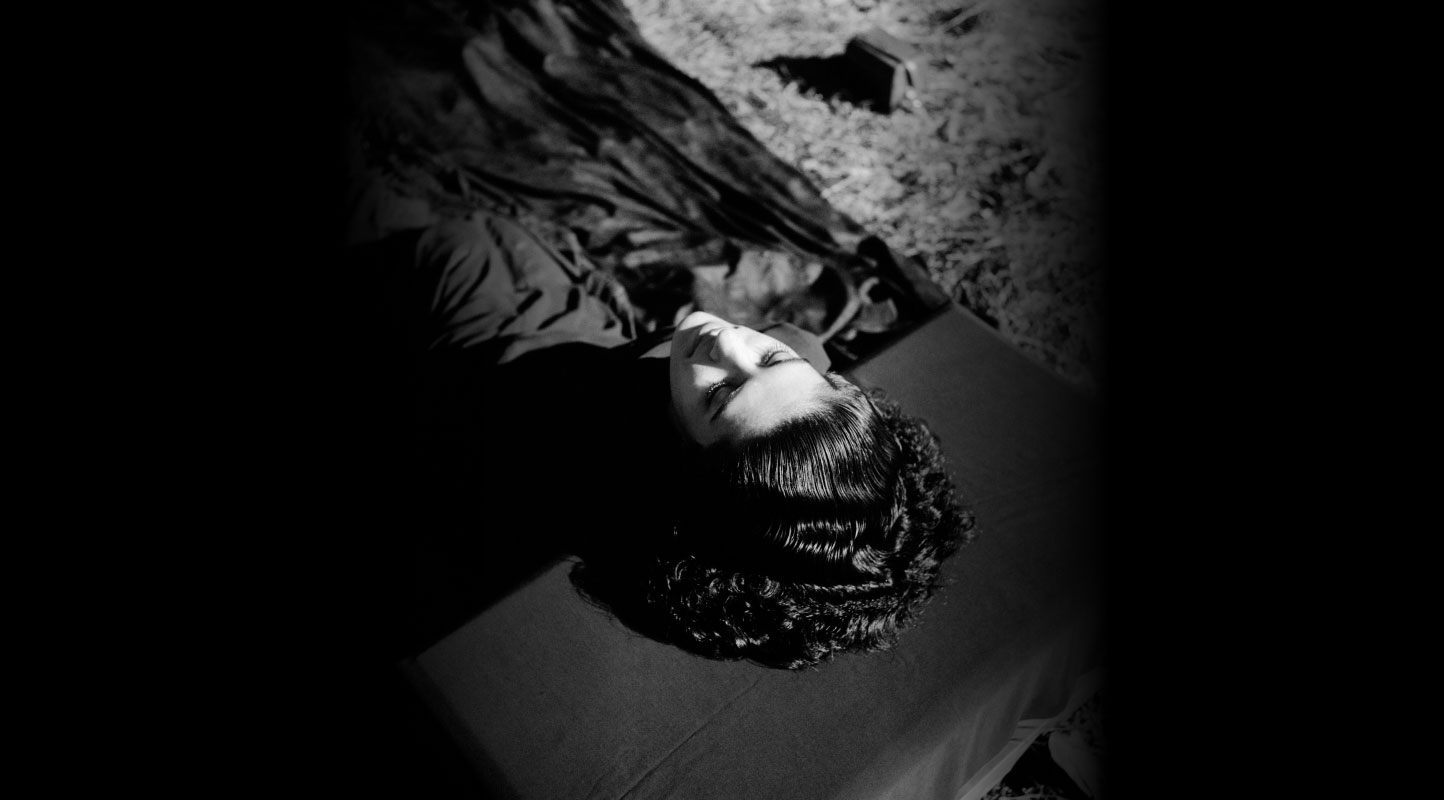


Searching for Grandpa: On Childhood Nostalgia
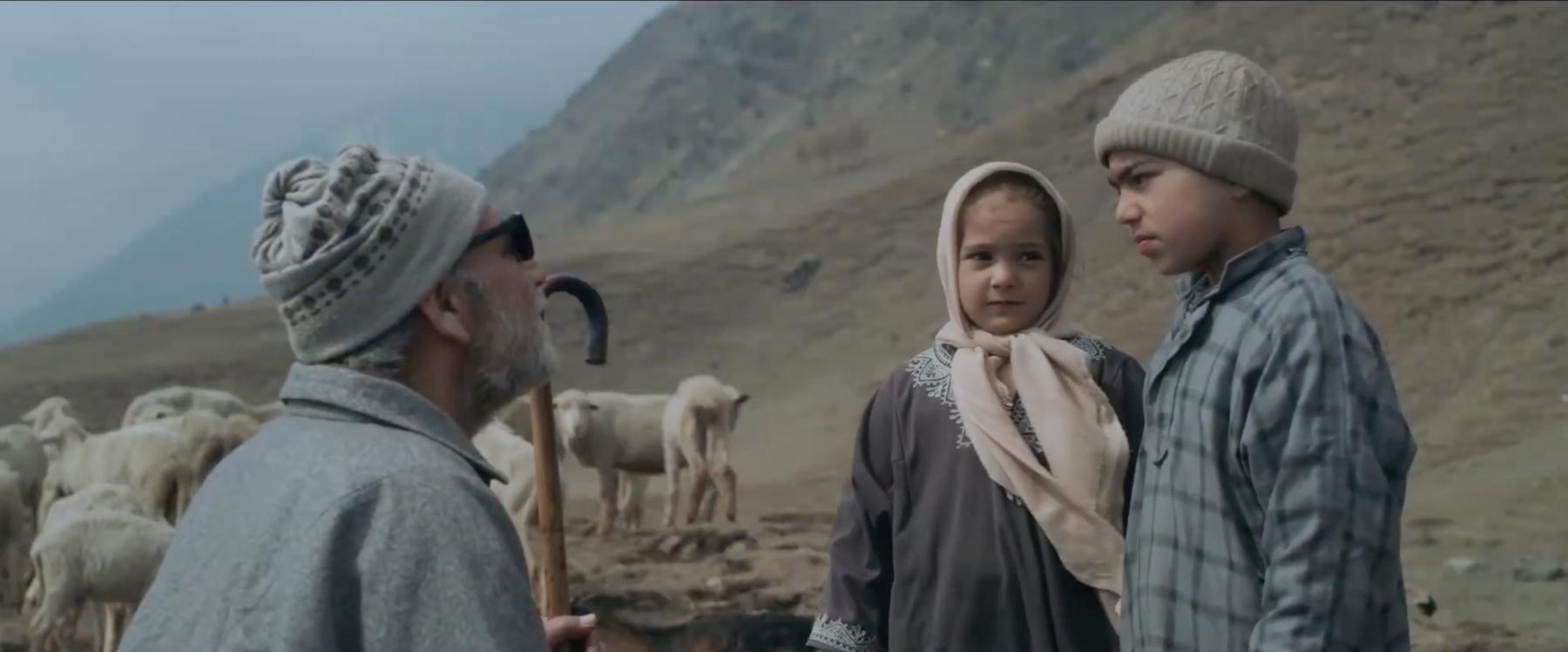
Directed by Syrian filmmaker Mohamad W. Ali, Searching for Grandpa (2025), a 22-minute short film set in the Kashmiri village of Kangan in the mid-1990s, was recently screened at the Kolkata People’s Film Festival (KPFF) held from 23–26 January 2026. A filmmaker, screenwriter, director, cinematographer and colourist, Ali’s work is deeply influenced by his experience of growing up in war-torn Syria. He studied Mass Media at Damascus University and later pursued filmmaking at the Satyajit Ray Film and Television Institute in India, where he specialised in Film Direction and Screenplay Writing in 2024. His work reflects a cinema of patience and observation, focusing on the nuances of ordinary life and unlocking deeper meaning within everyday moments.

Searching for Grandpa captures the fragile world of childhood against the backdrop of a region shaped by the insurgency in Kashmir that began in 1989—one of the most turbulent periods in the region’s history, when militancy, curfews and uncertainty became part of everyday life. Although I was born in the late 1990s, the shadow of that era continued to hang over the world I grew up in.
The film unfolds as an excavation of memory, one that resonates deeply with the lived experiences of many Kashmiris. It brings together fragments of early life that have softened with time and distance. What emerges is not just nostalgia but a quiet yearning for a Kashmir that now feels distant, almost dreamlike.

Set on the morning of Eid, the film opens with siblings Hasan and Zahra shouting "Eid Mubarak!" from a hilltop, their voices echoing throughout the valley as other children respond from distant villages. The echo becomes a shared celebration—a hidden thread of joy that connects distant lives. Moments like this, once common throughout Kashmir, evoke a sensory memory of the festival, where sound itself carries emotion and connection.
In the village, scenes unfold with quiet depth, reminiscent of my childhood in Gurez, north Kashmir. I would wake early to the sound of folk songs on Radio Kashmir, feel the excitement of new clothes and experience the warmth of welcoming neighbours with tea and cookies. Ali captures these moments with patience, allowing meaning to emerge through small, attentive gestures.

The film then moves to Srinagar, seen through Zahra's eyes as a place of wonder and distance, where colourful, shiny and out-of-reach candies of many colours enchant her and seem like unattainable treasures. These candies become one of the film's most poignant metaphors, revealing the quiet persistence of unfulfilled childhood desires.

Hasan and Zahra return to their village from the city and ask their grandfather for candies, but instead he offers them nabat (a sugary sweet common in South and Central Asia). Unsatisfied, they head to the village shop and ask the shopkeeper about the price of the colourful candies. When they return home, they find their grandfather missing and begin to search for him.

What begins as a playful exploration gradually turns deeply emotional. Grandfathers do not simply disappear; they endure through memory, gesture and story. The children’s journey becomes a meditation on presence and absence.
The grandfather, Qadir Dar, maintains warmth, tradition and quiet resilience; the simple act of offering nabat becomes deeply symbolic, recalling a time when affection was expressed through small, everyday gestures. I am reminded of my own grandfather, who kept nabat in the pocket of his pheran (a traditional cloak-like garment), which turned ordinary moments into something memorable for me.

Like Satyajit Ray, Ali seeks the universal within the particular, extracting more profound meaning from everyday moments. By telling the story through children, he makes the film emotionally vivid. Children perceive what adults often overlook—the echo of voices, the glow of distant objects and the silent weight of absence. Through Hasan and Zahra, the world softens, even within a landscape shaped by tension.

Searching for Grandpa conveys something essential and deep: In places where loss is woven into everyday life, memory becomes a form of survival. The film avoids direct depictions of grand narratives or conflicts. Instead, it relies on small, intimate moments—the echo of voices across a valley, the nabat placed in a child’s palm and the silence of prayer among graves.
Watching it in the present feels like revisiting a half-forgotten past. Though time distances us from these moments, the emotions remain. The film becomes more than a story—it is a quiet act of remembrance, bringing to life a shared cultural and emotional legacy.

To learn more about artists engaging with representations of Kashmir, read Abdul Basit’s essay on Iffat Fatima’s Khoon Diy Baarav (2015), Mehran Qureshi’s two-part essay on Kashmir as Poem and (Impossible) Picture, Zoya Khan's curated album from her series Skin of the City (2024–25), Ayushi Koul's review of Songs of Paradise (2025) and Asim Rafiqui's two-part reflection on the memorials of Sufi Pirs.
To learn more about the previous edition of the Kolkata People’s Film Festival, watch Vishal George’s conversation with Thomas Sideris on the film Gas Stations or The Pigeons of Lahore (2024), read Sahil Kureshi’s reflections on Sanjiv Shah’s Hun, Hunshi, Hunshilal (1992) as well as Kshiraja’s conversation with Sara Saini on her film In the Wake of Remembering (2024) and her essay on Nishtha Jain’s Farming the Revolution (2024).
All images are stills from Searching for Grandpa (2025) by Mohamad W. Ali. Images courtesy of the director.